China Top IT Vending Machine Manufacturers for Global Buyers
China has become a major sourcing hub for automated retail equipment, including the it vending machine. Global buyers now expect more than attractive pricing. They need stable hardware, secure payment integration, clear documentation, and dependable after-sales support. Chinese manufacturers offer varied solutions for offices, campuses, hospitals, transport hubs, and commercial buildings. Some provide compact units for small spaces. Others build refrigerated or customized machines for higher-volume locations.
A reliable supplier should explain product specifications in practical terms. Ask about cabinet materials, screen durability, temperature control, payment options, remote monitoring, and software compatibility. Request factory videos, sample test results, certifications, and references from comparable markets. These details help buyers compare suppliers beyond polished catalogs. Manufacturing experience matters, but communication quality matters too. A responsive team can reduce installation delays and spare-parts uncertainty.
However, no supplier is perfect. A low quotation may hide customization fees, slower firmware support, or difficult maintenance procedures. Even strong factories can misunderstand regional preferences or payment requirements. Buyers should test one machine before placing a large order. They should also confirm warranty coverage, packaging methods, delivery terms, and technical training. This guide reviews China’s top IT vending machine manufacturers through a practical, buyer-focused lens. It considers product quality, engineering capability, customization, service reliability, and international cooperation. The goal is not to promote one company blindly. It is to help global buyers make a more informed and defensible purchasing decision.
What IT Vending Machines Are and How They Serve Global Buyers
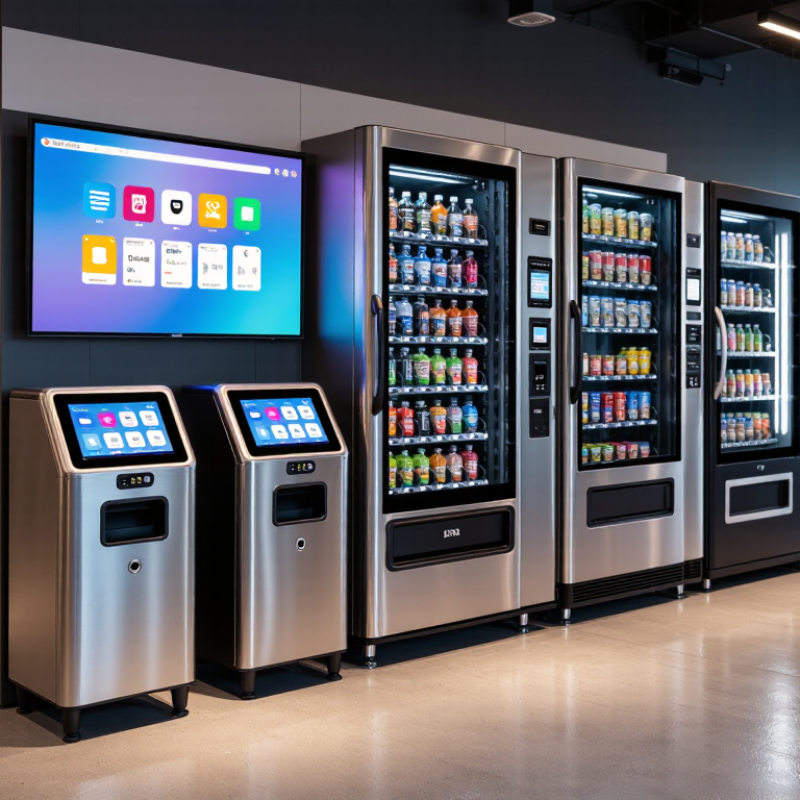
IT vending machines are automated cabinets that store and dispense technology products. These may include laptops, tablets, keyboards, chargers, cables, and approved accessories. Users usually scan an ID, enter a code, or connect through an inventory system. The machine then records the transaction and releases the selected item.
For global buyers, these systems support faster equipment access in offices, campuses, hospitals, airports, and remote work sites. A well-designed unit can control stock, reduce waiting time, and provide audit records. Buyers should examine temperature control, screen durability, payment or access options, remote monitoring, and emergency release procedures. Product dimensions also matter. A device may fit the shelf but fail during real-world loading. That small detail is often overlooked.
Manufacturers in China can offer flexible cabinet layouts, software integration, and export-oriented production experience. However, buyers should request sample testing, factory inspection, electrical documentation, packaging details, and after-sales response times. Compliance requirements differ by destination, so local certification must be checked before shipment. Warranty language should be specific, not promotional. A low quotation may conceal weak spare-parts support.
Tips: Measure the installation area first. Test the heaviest device. Confirm voltage compatibility. Ask for a replacement-parts list and clear delivery terms. Keep user data protected. Don’t assume one configuration suits every market.
China IT Vending Machines: Core Capabilities for Global Buyers
IT vending machines provide controlled, self-service access to commonly used technology products such as peripherals, accessories, consumables, and loaner equipment. The chart uses a practical buyer-relevance index from 1 to 5 based on widely recognized operational requirements for international deployments.
Index interpretation: 1 = limited relevance, 5 = essential relevance for typical global IT vending deployments. Values are an application-planning reference, not company or brand market-share data.
Key Capabilities of Leading Chinese IT Vending Machine Manufacturers
China’s leading IT vending machine manufacturers now compete on engineering depth, not cabinet appearance alone. Grand View Research’s 2024 smart vending machine analysis projects double-digit market growth through 2030. This expansion increases demand for secure, connected, and serviceable equipment.
Strong manufacturers build modular compartments for laptops, tablets, routers, cables, and other approved IT assets. Adjustable shelves reduce wasted space. Touchscreens should support clear product images, stock alerts, multilingual menus, and accessible interfaces. Remote telemetry is equally important. Operators need live data on inventory, temperature, door status, and failed transactions.
Good factories also provide prototypes before mass production. They test repeated door cycles, barcode accuracy, cooling performance, and network recovery. A cabinet that works in a showroom may fail beside a dusty warehouse door. That detail matters. Manufacturers should document electrical testing, software updates, spare-part availability, and quality-control checkpoints. They should also explain data protection practices, since the 2024 Cost of a Data Breach Report recorded a global average breach cost of 4.88 million US dollars.
Customization is another useful capability, but excessive customization can delay delivery and complicate maintenance. Some suppliers still promise too much. Buyers should request sample machines, factory inspection records, warranty terms, and documented response times. Honest limitations are valuable. A reliable Chinese manufacturer combines practical field experience, measurable testing, and disciplined after-sales support for global deployment.
How to Compare China’s IT Vending Machine Suppliers
When comparing China’s IT vending machine suppliers, begin with the machine’s real operating purpose. A school kiosk needs different features from an office equipment station. Check screen brightness, compartment size, cooling performance, payment options, and remote monitoring. Ask for complete specifications, not attractive product photos. Small details matter.
Request test data for temperature control, dispensing accuracy, power consumption, and network stability. A reliable supplier should explain software updates, data protection, user permissions, and system integration clearly.
Verify electrical safety documents and export compliance for your destination market. Independent inspection can reveal weak wiring, poor ventilation, or fragile hinges before shipment. It costs less than fixing repeated failures.
Service quality often separates similar suppliers.
Compare warranty length, response times, spare-parts availability, installation guidance, and technician training. Ask for a video showing daily maintenance and emergency access. Request references from comparable projects, while checking whether the evidence is recent.
A pilot order is safer than a large first shipment. It also exposes packaging problems and unclear instructions. My own comparison method is still imperfect; supplier promises can sound precise without proving field performance.
Use a scoring sheet covering purchase price, shipping, software fees, maintenance, and expected downtime. The cheapest machine may become expensive after one year.
Look closely.
Customization, Compliance, and Export Requirements for Global Buyers
China Top IT Vending Machine Manufacturers for Global Buyers
Global buyers often need more than a standard vending machine. A reliable manufacturer should adapt screen size, payment methods, software language, cabinet dimensions, and electrical specifications. For example, a machine shipped to Europe may require different voltage protection, multilingual instructions, and card payment certification. Outdoor installations also need stronger sealing, temperature control, and impact-resistant panels. Customization must be documented, not promised verbally.
Compliance should be checked during product development. Ask for test reports, electrical safety documents, material information, and cybersecurity details for connected machines. The supplier should explain how user data is stored and protected. Clear manuals, wiring diagrams, spare-part lists, and maintenance procedures support dependable operation. A factory with export experience usually understands labeling, packaging, certificates, and customs paperwork. Still, buyers should verify every requirement with local authorities and logistics partners.
Small details often cause delays. A missing country-of-origin mark can hold a shipment. An incorrect plug can stop installation. Factory inspection, sample approval, and pre-shipment testing reduce these risks. Request photos of internal wiring and packaging before dispatch. Check whether replacement parts can be supplied for several years. No process is perfect. A supplier may overlook a regional rule, while a buyer may provide incomplete specifications. Written confirmation and staged quality checks create accountability. The best partnership leaves room for correction before production becomes expensive.
Pricing, Warranty, and After-Sales Support Considerations
When comparing Chinese IT vending machine manufacturers, buyers should study the total cost, not only the factory price. A low quotation may exclude software integration, shipping, installation, or payment-system setup.
Ask for an itemized offer. It should list machine hardware, screen specifications, delivery terms, spare parts, and maintenance fees.
A practical budget also includes electricity use and replacement components over three years. Cheap today may become expensive later.
Warranty terms require careful reading. Check coverage for the cabinet, touchscreen, cooling system, payment module, and internal computer.
Confirm the warranty period, labor coverage, response time, and shipping responsibility. Some suppliers cover parts but exclude on-site service. That difference matters.
Request written procedures for defective-on-arrival equipment and repeated failures.
A six-month warranty may look acceptable, but it can be weak for a machine installed in a busy public location.
After-sales support should be tested before purchase. Ask whether technicians provide remote diagnostics, installation guidance, software updates, and operator training.
Confirm spare-parts availability and realistic delivery times. Keep replacement screens, locks, cables, and control boards in the service plan.
Communication quality is evidence of reliability. If answers remain vague, treat that as a warning.
Procurement teams sometimes focus too heavily on discounts and regret ignoring downtime.
A stronger contract should define service levels, escalation contacts, and compensation terms.
Perfect support is unlikely, so buyers should identify the supplier’s weak points before signing.
Related Posts
-
What Are the Top Snack Vending Machine Suppliers?
-
Top Tips for Sourcing the Best IT Vending Machines?
-
China Best Refurbished Vending Machines Supplier?
-
How to Choose the Best Refrigerated Vending Machine for Your Business Needs
-
How to Choose a Drink Vending Machine in 2026?
-
Why Investing in It Vending Machines Can Boost Your Business Revenue by 30%