What Are the Top Snack Vending Machine Suppliers?
Choosing among the top snack vending machine suppliers requires more than comparing machine prices. A low-cost unit may look attractive, yet frequent jams, weak cooling, or delayed repairs can quickly damage customer trust. Reliable suppliers usually combine durable equipment, secure cashless payments, remote inventory tracking, and responsive technical support. These details matter in offices, schools, hospitals, gyms, and transport locations.
Vending consultant Bob Tullio describes the business simply: “A vending machine is a retail store in a box.” That idea remains useful. Each machine must fit its location, audience, product range, and service schedule. A supplier offering healthy snacks may suit a fitness center, while compact machines could perform better in smaller workplaces. Operators should also examine warranty terms, energy efficiency, software compatibility, accessibility features, and replacement-part availability. Small details matter.
There is no universal winner.
The best snack vending supplier depends on practical conditions, not impressive brochures. A supplier with excellent machines may still disappoint if local service is slow. Conversely, a smaller company might provide more personal support and better route management. This guide compares leading suppliers through experience-based criteria, including reliability, customization, product flexibility, payment technology, and long-term operating costs. Some rankings may remain subjective. That is worth admitting. Real performance can vary by region, foot traffic, climate, and maintenance quality. Readers should request demonstrations, service-level details, and customer references before signing an agreement. The strongest choice is usually the supplier that supports consistent sales after installation, not merely the one that makes the boldest promise.
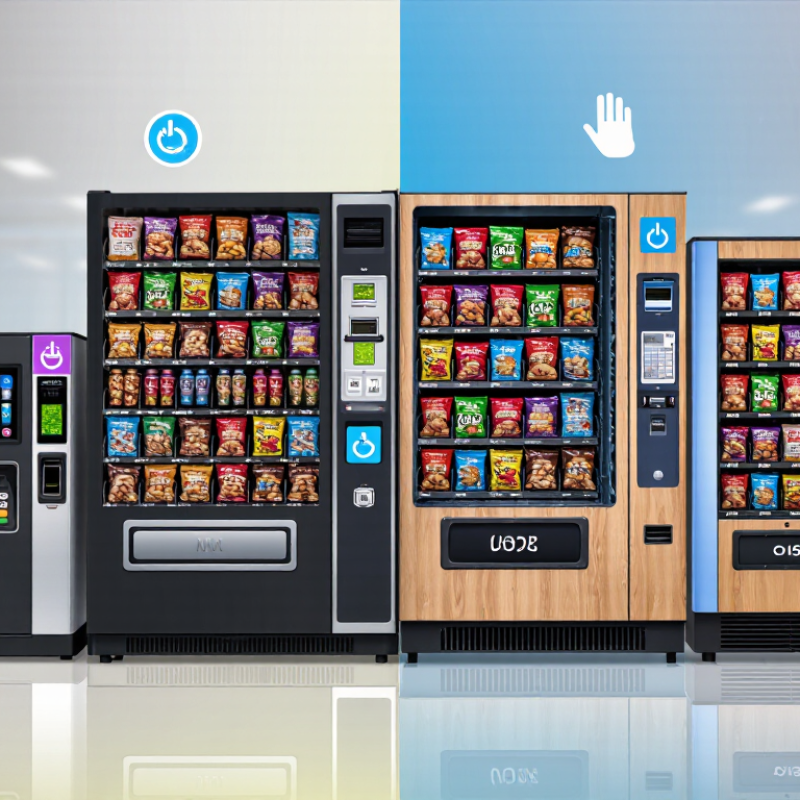
What Is a Snack Vending Machine Supplier?
A snack vending machine supplier is more than a company selling a metal cabinet. It typically provides the machine, snack sourcing, payment systems, delivery, software, repairs, and restocking support. Some suppliers also review foot traffic and recommend product layouts for offices, schools, hospitals, and transport sites. The best arrangement is usually operational, not merely transactional.
Grand View Research estimated the global vending machine market at about USD 21.84 billion in 2022, with strong growth projected through 2030. This expansion increases supplier choices, but quality still varies. A reliable supplier should explain machine capacity, refrigeration needs, energy use, payment security, warranty limits, and response times. Ask who checks expiry dates and how quickly empty spirals are refilled. Small details matter.
Field operators often judge suppliers by uptime rather than glossy demonstrations. A jammed coil at 8:30 a.m. can frustrate dozens of customers. Remote telemetry may show stock levels, temperature, sales, and payment errors before a site visit. NAMA industry research also identifies technology, cashless payments, and route efficiency as important convenience-service trends. Still, data is not a substitute for human support. I would question any supplier promising perfect sales forecasts. Location patterns change, and early product choices may be wrong. A practical trial period, transparent service records, and clear food-safety procedures provide stronger evidence than confident marketing.
Which Types of Snack Vending Machine Suppliers Exist?
Snack vending machine suppliers usually fall into several practical categories. Manufacturers build machines directly and often offer model customization, technical documentation, and replacement parts. They suit buyers with specific capacity, payment, or temperature-control requirements. Wholesalers and distributors provide multiple machine types from different factories. This can simplify comparison, but product knowledge may vary between sales teams.
Refurbished-equipment suppliers sell inspected and repaired machines. Their prices can be attractive for schools, offices, and small retail sites. Ask for inspection records, warranty terms, electrical testing, and parts availability. Some suppliers also provide full-service vending programs. They install the machines, restock snacks, handle maintenance, and collect sales data. This option reduces daily work, although service fees may reduce profit.
Service matters.
Custom fabricators create machines for unusual spaces, such as narrow corridors or outdoor locations. They may adjust shelf sizes, branding panels, security features, and accessibility controls. However, custom work can extend delivery times and complicate future repairs. Payment-system specialists may supply compatible cashless readers and inventory software, but they are not always complete machine suppliers.
During supplier evaluations, compare total operating cost rather than the purchase price alone. Review energy use, delivery charges, software fees, repair response times, and refund procedures. A machine can look impressive in a showroom and perform poorly in a busy hallway. Product testing is essential. There is no perfect supplier. A careful buyer should also verify safety certifications, local installation requirements, and clear customer-support responsibilities before signing.
What Features Should You Compare Among Suppliers?
When comparing snack vending machine suppliers, start with uptime rather than cabinet appearance. The National Automatic Merchandising Association’s 2023 census estimated U.S. vending sales at approximately $26.2 billion. That scale makes dependable service a commercial requirement, not a luxury. Ask suppliers for documented uptime, average repair response, spare-parts availability, and preventive maintenance schedules. A machine beside a factory entrance may lose sales after one failed payment reader or empty spiral.
Payment flexibility deserves close inspection. Compare contactless cards, mobile wallets, cash acceptance, receipt options, and offline transaction handling. The Federal Reserve’s 2024 Diary of Consumer Payment Choice found that consumers continued using multiple payment methods, with cash remaining relevant for some purchases. A supplier offering only one payment channel may appear efficient, but it can exclude practical buyers. Test the reader personally. Small delays matter.
Telemetry is equally important. Select systems that show inventory levels, temperature alerts, sales by product, and fault history in a usable dashboard. Compare data ownership, export formats, subscription fees, and cybersecurity controls. Refrigerated snack selections require stable temperature monitoring and easy cleaning access. Accessibility also needs physical testing: screen height, button reach, lighting, and product retrieval force. I once focused too heavily on purchase price. That was a mistake. Energy consumption, commission terms, stocking labor, and service calls can change the real cost within months. Reports from Grand View Research and Allied Market Research both project continued vending-market expansion, but growth figures vary by definition and region. Treat forecasts as planning signals, not guarantees.
What Are the Top Snack Vending Machine Suppliers? - What Features Should You Compare Among Suppliers?
The table below compares the main specifications and service factors commonly used when evaluating snack vending machine suppliers. Figures are practical market ranges and should be verified against the supplier’s current quotation, configuration, and service agreement.
| Comparison Dimension | Typical Market Range or Standard | What to Compare Among Suppliers | Why It Matters |
|---|---|---|---|
| Machine Configuration | Indoor snack-only, refrigerated snack and drink, or combination models | Check whether the supplier offers the configuration required for the location, product mix, available floor area, and electrical capacity. | The correct configuration improves product variety, reduces installation problems, and supports expected sales volume. |
| Product Capacity | Approximately 30–60 selections and 150–500 individual items, depending on machine size and product packaging | Compare the number of spirals, adjustable shelves, tray dimensions, and compatibility with different snack sizes. | Higher capacity can reduce refill frequency, while flexible shelves help prevent wasted space. |
| Product Compatibility | Standard packaged snacks, confectionery, baked goods, and selected non-food items | Verify compatibility with bags, boxes, cans, bottles, fragile products, and irregularly shaped packaging. | Poor product compatibility can cause jams, failed vend cycles, refunds, and product damage. |
| Payment Options | Cash, contactless card, mobile wallet, QR payment, and optional stored-value systems | Compare supported payment terminals, transaction fees, payment processor compatibility, offline payment behavior, and refund procedures. | Multiple payment methods generally improve customer convenience and reduce lost sales. |
| Cash Handling | Bill validator, coin acceptor, coin changer, cashbox, and electronic sales reporting | Check supported currencies, bill denominations, coin capacity, anti-fraud functions, and the ease of cash collection. | Reliable cash handling reduces rejected transactions, maintenance visits, and collection risk. |
| Remote Monitoring | Optional or standard cloud telemetry using cellular, Wi-Fi, or Ethernet connectivity | Compare inventory alerts, sales reports, machine-status alerts, payment monitoring, temperature alerts, and dashboard access. | Telemetry helps operators plan efficient routes and identify faults before they create extended downtime. |
| Inventory Management | Real-time or scheduled stock-level reporting, depending on sensors and software | Confirm whether the system tracks individual selections, low-stock thresholds, sold-out events, refill history, and product expiration dates. | Accurate inventory data supports better replenishment decisions and reduces unnecessary service trips. |
| Temperature Control | Ambient snack models or refrigerated models commonly operating around 2–8°C for chilled products | Compare temperature range, cooling recovery time, insulation, energy consumption, temperature alarms, and food-safety documentation. | Stable temperature is essential when the machine sells products that require refrigeration. |
| Energy Efficiency | Varies by machine size, lighting, cooling system, ambient temperature, and usage pattern | Request rated power, estimated annual energy consumption, standby consumption, LED lighting, sleep mode, and energy-saving controls. | Electricity is an ongoing operating cost and can materially affect the machine’s total cost of ownership. |
| Security Features | Reinforced cabinet, anti-pry door, safety glass, secure locks, alarm input, and payment-system protection | Compare cabinet construction, locking mechanisms, cashbox protection, anchoring provisions, tamper alerts, and camera integration. | Security features help protect inventory, cash, payment hardware, and the machine itself. |
| Accessibility | Accessible controls, readable displays, reachable payment areas, and adequate product retrieval space | Check compliance with applicable accessibility requirements, screen height, button placement, audio guidance, and wheelchair access. | Accessible equipment expands the potential customer base and helps reduce compliance risk. |
| Software and Reporting | Basic sales reports to multi-location dashboards with user roles and export functions | Compare report frequency, data export formats, API availability, user permissions, location grouping, and historical data retention. | Good reporting supports pricing decisions, product selection, route planning, and financial reconciliation. |
| Installation Requirements | Level floor, suitable power outlet, network coverage where required, and sufficient clearance for servicing | Ask for site measurements, delivery access requirements, power specifications, anchoring instructions, commissioning services, and installation charges. | Clear installation requirements prevent delays, unexpected costs, and unsuitable site placements. |
| Warranty Coverage | Commonly 12–24 months for equipment, with different terms for refrigeration, payment hardware, and consumable parts | Compare parts coverage, labor coverage, exclusions, response process, shipping responsibility, and whether software support is included. | A longer warranty is useful only when its coverage and claim process are clearly defined. |
| Technical Support | Phone, email, ticketing, remote diagnostics, replacement parts, and field-service options | Review support hours, response targets, technician availability, troubleshooting resources, spare-parts locations, and escalation procedures. | Fast technical support can reduce downtime and protect revenue during payment or refrigeration failures. |
| Service-Level Commitment | May include response targets, repair targets, uptime objectives, or no formal service-level commitment | Compare written response times, parts availability, local service coverage, uptime definitions, exclusions, and compensation terms. | A documented service commitment makes supplier performance easier to measure after installation. |
| Lead Time and Delivery | Often several weeks for standard configurations; longer for customized machines or larger orders | Confirm production lead time, shipping terms, delivery appointment process, customs responsibility, damage inspection, and replacement policy. | Accurate delivery planning is important when machines must be installed before a launch date. |
| Customization | Cabinet graphics, lighting, screen options, payment configuration, shelf layout, and software branding may be available | Compare minimum order quantities, customization fees, design approval process, production impact, and future replacement consistency. | Customization can improve visibility but may increase cost, lead time, and replacement complexity. |
| Total Cost of Ownership | Purchase price plus payment fees, electricity, connectivity, maintenance, parts, insurance, and product replenishment | Request a five-year cost model rather than comparing purchase price alone. Include installation, software subscriptions, payment fees, and expected service costs. | Total cost provides a more realistic basis for comparing supplier proposals and expected profitability. |
| Compliance and Documentation | Applicable electrical, safety, electromagnetic compatibility, refrigeration, and accessibility documentation | Request certificates, manuals, wiring diagrams, food-contact information where relevant, and documentation required by the installation jurisdiction. | Complete documentation supports safe installation, inspections, insurance, and ongoing maintenance. |
| Recommended Evaluation Weight | Performance and service first | Suggested weighting: reliability and uptime 25%, payment and telemetry 20%, total cost 20%, service and warranty 15%, capacity and flexibility 10%, compliance and installation 10%. | A weighted score reduces the risk of selecting equipment solely because it has the lowest initial price. |
How Do the Top Snack Vending Machine Suppliers Differ?
The top snack vending machine suppliers differ less by appearance than by operating depth. Grand View Research estimated the global vending machine market at about USD 18.9 billion in 2022, with continued growth through 2030. That expansion rewards suppliers offering more than a cabinet and payment reader. Stronger suppliers provide cashless payments, remote inventory alerts, sales dashboards, and modular cooling systems. Their machines can show low stock before a spiral sits empty. That matters in offices, schools, hospitals, and transport sites with different traffic patterns.
Service quality separates suppliers even further.
NAMA’s industry reports have valued the U.S. convenience services sector at roughly USD 26 billion, showing the scale behind route efficiency and replenishment. However, suppliers vary widely in uptime guarantees, spare-parts access, installation training, and response times. Some support mixed snack sizes, healthier products, and adjustable coils. Others offer cheaper equipment but limited software integration. Look closely.
A reliable comparison should include five-year operating costs, not only purchase price. Ask about energy use, warranty coverage, payment fees, cleaning procedures, and data ownership. A bright touchscreen may impress managers, but it cannot fix poor route planning.
This is where evaluations become imperfect. Forecasted sales may not match real demand beside a night shift or a small reception desk. Pilot testing for 30 to 60 days can expose product waste, payment failures, and refill delays before a larger contract is signed.
How Can You Choose the Right Supplier for Your Business?
Choosing the right snack vending machine supplier requires more than comparing purchase prices. Start with your location, customer habits, and available floor space. A machine near a busy office entrance needs different features from one in a quiet workshop. Ask suppliers for documented uptime, warranty terms, payment security, and response times for repairs. Clear service commitments often matter more than a polished sales presentation.
Tips: Request references from businesses with similar traffic. Inspect a working machine before signing. Check whether the supplier supports cashless payments, remote inventory monitoring, energy-efficient cooling, and accessible controls. Confirm product dimensions, delivery charges, installation requirements, and replacement-part availability. Ask who handles software updates and payment disputes. These details can prevent small problems from becoming expensive interruptions.
A dependable supplier should help you plan product rotation using sales data, not guesswork. Discuss expiration monitoring, restocking schedules, and procedures for damaged goods. Review local vending, electrical, accessibility, and food-handling requirements with qualified professionals. Written records strengthen accountability. Be cautious when forecasts look perfect; customer demand changes with seasons, nearby construction, and workplace schedules. I have found that the cheapest quote can hide service delays or limited parts support. Still, premium service is not automatically better. Compare measurable terms, test communication, and leave room to revise your product mix after real sales begin.
How to Choose the Right Snack Vending Machine Supplier
A practical supplier scorecard should prioritize product reliability, total cost, technical support, payment flexibility, inventory options, and compliance. Use these suggested evaluation weights to compare suppliers consistently without relying on brand names.
Related Posts
-
What Are the Top Snack Machines Made in China?
-
How to Choose the Best Refrigerated Vending Machine for Your Business Needs
-
How to Choose a Drink Vending Machine in 2026?
-
5 Essential Tips for Finding the Best Vending Machine Locations Worldwide
-
10 Best IT Vending Machines Transforming Workspaces in 2023
-
7 Smart Tips for Optimizing Your Snack and Drink Vending Machine Business