China Top 10 Coffee Vending Machine Manufacturers?

China has become a major production base for automated beverage equipment, including coffee vending machines. Its manufacturers serve offices, hotels, hospitals, transport hubs, universities, and retail locations worldwide. However, choosing a reliable supplier requires more than comparing attractive prices or polished product photos.

This guide examines ten notable Chinese coffee vending machine manufacturers through practical purchasing criteria. These include machine reliability, brewing consistency, payment integration, ingredient storage, cleaning design, energy efficiency, customization, and after-sales support. Factory experience also matters. A supplier with strong engineering teams may respond better to changing recipes, cup sizes, language settings, and local electrical requirements.

Real operating details deserve attention. Can the machine prepare espresso during a busy morning rush? Does the grinder stay stable after repeated use? Can operators clean milk lines without special tools? These questions often reveal more than a product brochure.

Certifications, export experience, spare-parts availability, and documented testing should also influence the final decision. Buyers should request videos, technical specifications, warranty terms, and references from comparable installations. A factory visit or third-party inspection can provide useful evidence, although it cannot remove every risk.

No ranking is perfect. Manufacturer capabilities can change, and public information may remain incomplete. Some suppliers excel at customization but lack global service networks. Others offer dependable equipment but fewer design options. Therefore, this overview should support further verification rather than replace it. With careful comparison, businesses can identify a coffee vending partner that balances quality, cost, usability, and long-term support.
China Top 10 Coffee Vending Machine Manufacturers?

What Is a Coffee Vending Machine?

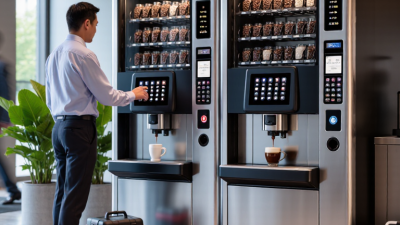
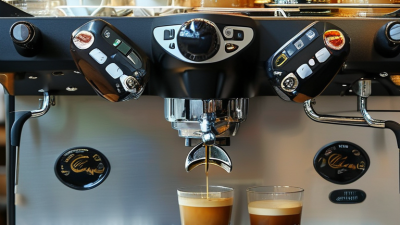
A coffee vending machine is an automated beverage system that prepares coffee with limited human assistance. It usually combines a water tank, heating unit, grinder, ingredient containers, brewing chamber, and payment interface. After a customer selects a drink, the machine measures ingredients, heats water, brews coffee, and fills a cup within minutes.

The experience feels simple, but the internal process requires careful control. Fresh beans may be ground before brewing, while milk powder or liquid milk creates texture for specialty drinks. Sensors monitor water levels, temperature, cup placement, and waste containers. A reliable machine should maintain stable heat, consistent portion sizes, and clear cleaning alerts. Small details matter. A blocked nozzle can change the taste quickly.

From operating experience, regular maintenance affects quality more than attractive screens do. Staff should clean the brewing area, inspect seals, refill ingredients, and record error messages. Water hardness also influences scale buildup and flavor. The numbers are not always perfect. Grinding speed, humidity, and customer traffic can create slight differences between cups. Some machines offer convenience but cannot fully copy a trained barista’s judgment. Buyers should examine service access, food-safe materials, energy use, ingredient storage, and local safety requirements before installation.

A quiet machine near an office elevator may serve more customers than a powerful model placed in an isolated corner.

Key Features of China’s Coffee Vending Machine Industry

China’s coffee vending machine industry is moving from simple hot-drink dispensers toward compact, data-driven retail systems. Many manufacturers now combine bean grinding, automatic brewing, milk control, and cup dispensing in one cabinet. This design saves floor space in offices, stations, campuses, and hospitals. It also reduces the need for a full-service counter.

A key feature is flexible payment and remote machine management. Operators can monitor temperature, ingredient levels, sales, and cleaning alerts through cloud platforms. Touchscreens often support several languages and cashless payments. Some machines adjust recipes for espresso, Americano, latte, and iced coffee. However, automation does not remove every problem. Milk systems still need careful sanitation, and poor water quality can damage internal parts.

Manufacturers also focus on modular components and easier maintenance. Technicians can replace grinders, pumps, refrigeration units, or payment modules without removing the entire machine. Stainless steel panels and insulated cabinets support daily commercial use, but durability depends on real maintenance habits. In field testing, small details matter: cup alignment, drainage design, noise levels, and recovery time after heavy use. Energy-saving modes are becoming more important, especially for machines operating all night. Yet performance claims should be checked through service records, warranty terms, and repeated beverage tests, not only factory demonstrations.

China’s Coffee Vending Machine Industry: Key Feature Benchmark

A comparative benchmark of commonly disclosed capabilities in Chinese coffee vending machine solutions. The index reflects relative feature emphasis rather than company or brand market share.

Automated payment, remote monitoring, fresh milk or powder-based drink preparation, touchscreen ordering, and multi-beverage support are central features of China’s coffee vending machine industry. The strong emphasis on connectivity and operational monitoring reflects the importance of unmanned retail efficiency, replenishment management, and machine uptime.

Top 10 Coffee Vending Machine Manufacturers in China

China’s top 10 coffee vending machine manufacturers are often judged by more than production volume. Buyers should examine brewing accuracy, machine durability, software stability, and after-sales support. A strong manufacturer usually offers bean-to-cup systems, adjustable grinding, fresh milk options, and cashless payment functions. Stainless steel brewing parts matter in busy offices, stations, and university buildings.

Practical testing reveals important differences. A reliable machine should serve consistent coffee during repeated orders, even during a crowded morning. Check cup capacity, cleaning time, water usage, and ingredient storage.

Remote monitoring can show temperature, stock levels, error alerts, and daily sales data. Local technicians are equally important. A clever machine is not useful when spare parts arrive too slowly.

Do not trust rankings blindly. Some product brochures describe ideal performance, not daily operation. Ask manufacturers for test records, warranty terms, software demonstrations, and certification documents for the target market. It is also wise to inspect sample machines and speak with existing users.

A lower-priced model may save money initially, yet weak pumps or complicated cleaning can increase operating costs. The best choice depends on location, expected orders, drink recipes, and service response. Even experienced buyers can overlook maintenance details. That deserves a second review.

How to Compare Chinese Coffee Vending Machine Manufacturers

How to Compare Chinese Coffee Vending Machine Manufacturers

China’s coffee vending machine market deserves careful comparison, not quick price checks. The International Coffee Organization estimated global coffee consumption at 177.9 million 60-kilogram bags in 2023/24. This demand supports more automated outlets, but machine quality varies widely.

Request factory audit records, production photos, and recent shipment evidence. A polished showroom proves little.

Check the brewing system, grinder durability, boiler control, and cleaning design. Ask for measured serving temperature, brewing time, water use, and daily capacity. A machine promising 200 cups daily needs testing under continuous operation.

Review ISO 9001 records, electrical safety documents, and food-contact material declarations. CE or other market approvals should match your destination, not merely appear in a brochure. Small details matter.

Compare total cost, not only the purchase quote. Include filters, pumps, payment modules, cloud software, shipping, installation, and spare parts. Request a 12-month failure-rate report and average remote-response time.

The International Data Corporation identifies remote monitoring as a major driver in smart retail equipment, yet connectivity can fail in basements or crowded stations. Test offline payment and data recovery. I would also inspect one working machine after six months. New equipment often looks excellent. Long-term evidence is harder to fake.

Buying Considerations for Coffee Vending Machines from China

Buying coffee vending machines from China requires more than comparing factory prices. The International Coffee Organization reported global coffee consumption of about 177 million 60-kilogram bags in 2023/24. Demand is strong, but customer expectations are also rising.

Ask suppliers for brewing temperature ranges, grinder specifications, cup sizes, water filtration options, and cleaning procedures. A machine producing attractive coffee for one week proves little. Request a recorded endurance test and sample drinks before ordering.

Total cost matters more than the invoice. Include shipping, spare parts, software fees, installation, customs, and technician travel. Check whether the control system supports your preferred payment methods and local language.

Confirm electrical voltage, water drainage, refrigeration, and operating temperature. Look for documented quality systems and product certifications required in your target market.

Reports from the International Trade Centre can help verify trade requirements and import classifications. Still, paperwork should be checked independently. Mistakes happen, even with experienced suppliers.

Tips: Start with one pilot machine. Track cups sold, failed transactions, cleaning time, ingredient waste, and service response.

Keep critical parts on site, including pumps, seals, sensors, and mixing motors. Ask for a 12-month spare-parts plan. A cheaper machine may become costly after a single cooling-system failure.

I would also test the user interface with real customers, not only engineers. The first specification is often incomplete. Revise it after field testing. That small step can prevent a large procurement error.