How to Use Smart Vending Machines to Boost Business Revenue?
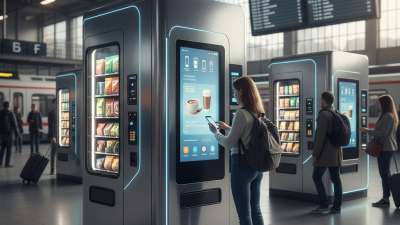
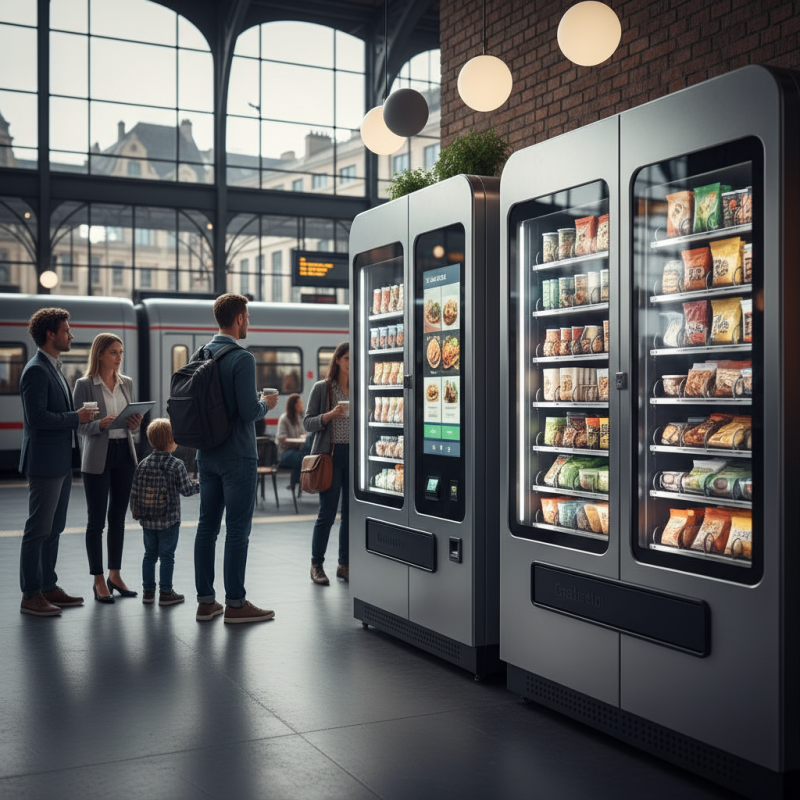
Smart vending machines are revolutionizing the way businesses can boost their revenue streams. These machines offer a unique combination of convenience and technology. By integrating cashless payment options and interactive displays, they attract a diverse range of customers. Picture a bustling café or a busy train station, where smart vending machines stand ready, waiting to meet the demands of on-the-go consumers.
However, not all businesses have embraced this innovation. Some owners remain skeptical about investing in smart vending machines. They wonder if the return is worth the cost. Others question the reliability of this technology. There are concerns about machine malfunctions or potential loss of sales during downtimes. And yet, as consumer preferences shift toward automation and quick service, businesses must adapt or risk falling behind.
Engaging with smart vending machines can offer insightful data on customer preferences. This information is valuable for future inventory decisions and marketing strategies. As businesses explore this landscape, they often face challenges. Striking a balance between technology and human touch is crucial. The journey of integrating smart vending machines is an opportunity for growth and reflection.
Understanding the Smart Vending Machine Market Trends and Growth Projections
The smart vending machine market is rapidly evolving. These machines are becoming more intelligent and user-friendly. They incorporate touch screens, cashless payments, and real-time inventory tracking. As consumer preferences shift, operators must adapt to these changes to maximize profits.
To capture attention, it's essential to select the right products. Focus on trending snacks and drinks that appeal to your target audience. Offer healthier options alongside traditional choices. This variety encourages more purchases.
Tip: Analyze your location and audience demographics regularly. This will help you stock items that resonate with local preferences. Investing in marketing will also pay off. Use social media to promote your vending machine locations. Engage with customers and gather feedback for continuous improvement.
While there's significant growth potential, challenges exist. Maintenance and technical issues can arise unexpectedly. Operators must prioritize support and updates. Regularly cleaning and restocking the machines enhances user experience. A satisfied customer is more likely to return.
Key Features of Smart Vending Machines That Enhance Customer Experience
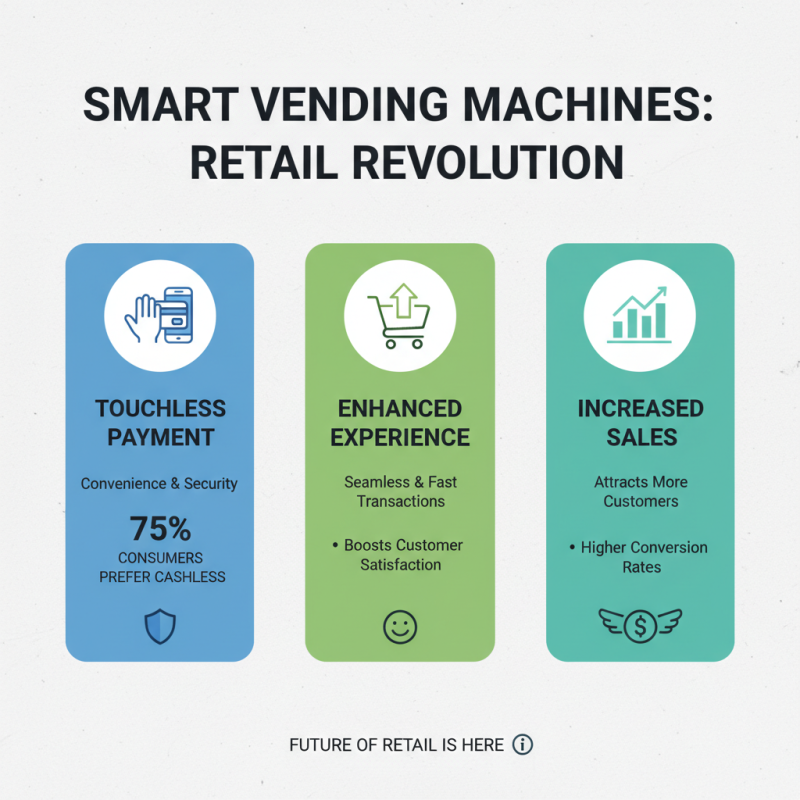
Smart vending machines are revolutionizing the retail landscape. These machines offer various features that significantly enhance customer experience. For example, touchless payment options provide convenience and safety. A recent report indicated that 75% of consumers prefer cashless transactions, particularly in post-pandemic shopping environments. Such seamless payment methods attract more customers and boost sales.
Another key feature is product variety. Smart vending machines can stock a wide range of items. This flexibility allows businesses to cater to diverse consumer preferences. According to industry data, offering healthier snacks can increase vending machine sales by up to 25%. By aligning product offerings with consumer trends, businesses can maximize revenue potential.
Tips for utilizing smart vending machines effectively: Monitor performance data regularly to adjust inventory as needed. Set up machine locations in high-traffic areas to increase visibility. Experiment with seasonal products to keep offerings fresh and exciting. While smart vending machines provide many advantages, there may be challenges. Implementing technology can require initial investment and ongoing maintenance. It’s essential to weigh these factors before diving in. Keep a close eye on customer feedback to ensure the machines meet their needs.
Data-Driven Insights: Analyzing Consumer Behavior for Revenue Optimization
Understanding consumer behavior is crucial for maximizing revenue from smart vending machines. By analyzing data collected from these machines, businesses can gain insights into customer preferences. For instance, tracking popular products at different times can inform inventory decisions. Machines installed in gyms might see higher sales of energy drinks in the early evening, while office machines may need more coffee options during the morning rush.
Tip: Regularly assess sales data to identify trends. Consider adjusting product offerings based on seasonal shifts or local events. This tactic keeps your offerings fresh and appealing.
It's also important to experiment with pricing strategies. Some products might sell better at different price points. A slight reduction might increase the volume sold. However, be aware that lowering prices can impact overall profit margins. Finding the right balance requires continuous monitoring and adjustment.
Tip: Implement surveys on machines to gather direct consumer feedback. This can highlight potential improvements and gauge satisfaction levels. Keep note of customer responses; they often reveal hidden insights.
Consumer Behavior Analysis for Smart Vending Machines
This chart demonstrates the revenue generated from different product categories in smart vending machines. Analyzing consumer preferences can help businesses optimize their inventory and increase overall sales.
Integrating Mobile Payments and Loyalty Programs for Increased Sales
In today's competitive market, integrating mobile payments into smart vending machines can significantly enhance sales. These machines allow customers to pay quickly using their smartphones. The convenience of mobile transactions reduces wait times and encourages impulsive purchases. Moreover, it broadens the customer base, especially among tech-savvy consumers who prefer digital payments.
Offering loyalty programs through these machines can further drive revenue. Customers appreciate being rewarded for their purchases. For instance, if a machine tracks purchases, it can provide discounts or bonuses after a certain number of transactions. This engagement not only promotes repeat business but also fosters a community of loyal customers. However, businesses must consider how to communicate these programs effectively. If customers are unaware of rewards, they won't participate.
Additionally, there can be challenges in implementing these systems. Not all customers may have mobile payment options. Some may feel uneasy about technology, leading to potential exclusion. It's essential to ensure traditional payment methods remain available. Balancing innovation with accessibility is crucial for maximizing revenue and customer satisfaction.
Case Studies: Successful Smart Vending Implementations in Various Industries
Smart vending machines are transforming various industries. They offer convenience and enhance customer experience. In a university setting, one institution installed smart vending machines stocked with healthy snacks. The result? Increased sales and a boost in student satisfaction. Students loved the quick access to nutritious options.
Another case study involves a corporate office. The management placed smart vending units in break rooms. These machines featured gourmet coffee and snacks. They noticed a spike in employee morale. Staff appreciated the variety and quality. However, there were hiccups. Some machines malfunctioned and caused frustration. It’s crucial to update and maintain equipment regularly.
In retail, a small boutique added a smart vending machine for accessories. It showcased trendy items and specialty products. Foot traffic increased, leading to higher overall sales. While the initial investment seemed high, the return was worth it. Some customers faced issues with payment methods, showing the need for diverse options. Continuous feedback is essential to refine the approach.