What Are the Top Vending Machine Types in 2026?

In 2026, vending machines are becoming more varied, connected, and responsive to local needs. They now dispense far more than canned drinks and packaged snacks. Depending on the setting, customers may find fresh meals, coffee, personal-care items, or everyday essentials behind a simple touchscreen. The best choice is not always the newest model. It depends on who uses the machine, what they need, and how often an operator can restock it.

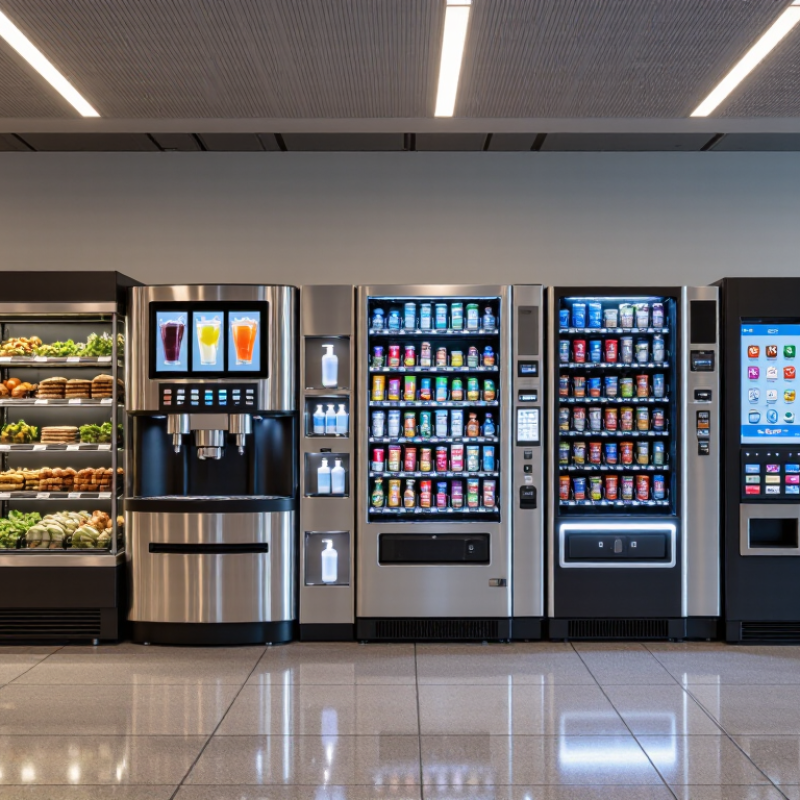
This guide introduces the leading vending machine types and the places where they tend to work well. Smart machines can track sales and inventory remotely, while refrigerated units help keep fresh food at suitable temperatures. Coffee machines serve busy offices and transport hubs; specialty retail machines offer convenient access to carefully selected products. Each option brings trade-offs. A touchscreen can make selection easier, but it may add cost and require reliable connectivity. Fresh food can attract customers, yet it needs careful stocking and temperature checks. Details matter.

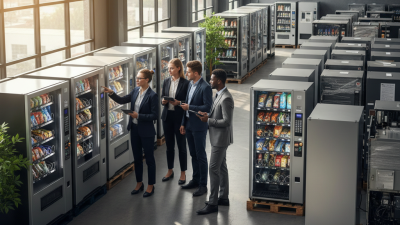
There is no universal ranking for every business. A machine that performs well in a hospital may be a poor fit for a small office with limited foot traffic. Product demand, available space, maintenance, and payment preferences all shape the decision. Even sales forecasts can miss. The sections ahead compare common machine types, their practical uses, and the questions buyers should ask before choosing one. The goal is a clearer decision—not a promise that every machine will succeed.
What Are the Top Vending Machine Types in 2026?

How Vending Machine Types Are Classified in 2026

In 2026, vending machines are best classified by what they sell, how they operate, and where they serve customers. Product-based types include snack, beverage, fresh-food, and mixed-product machines. The distinction matters. A chilled-food unit needs reliable temperature control, while a snack machine may prioritize compact shelves and quick restocking.

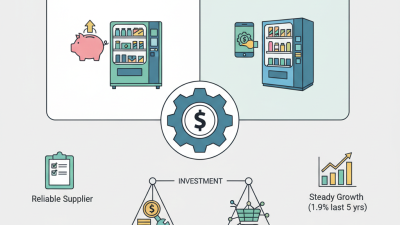
Technology creates another useful classification. Traditional machines dispense products after payment; smart machines can add cashless payment, remote inventory tracking, and sales data. Grand View Research estimated the global vending machine market at about $21.5 billion in 2023 and forecast 10.7% annual growth from 2024 to 2030. That growth helps explain interest in connected equipment, but it does not mean every location needs advanced features. A quiet office may value simple servicing more than live dashboards.

Location and service model also matter. Machines in transit hubs face short purchase windows and heavy traffic; workplace units may need varied choices and predictable replenishment. NAMA’s 2023 State of the Industry report estimated U.S. convenience-services revenue at $26.6 billion, covering vending and related services—not vending machines alone. That caveat matters when comparing market figures. The categories overlap. A machine can sell drinks, accept mobile payment, and sit inside a workplace, so no single label tells the whole story. I’d classify it by its main product and operating needs, then check the site itself. It is not always tidy.

Snack and Beverage Machines for Everyday Essentials

What Are the Top Vending Machine Types in 2026?

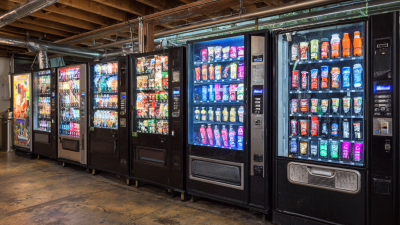
Snack and beverage machines remain practical choices for offices, schools, hospitals, transport hubs, and apartment buildings. The most useful models offer everyday items, not novelty products. A combination machine can hold bottled water, canned drinks, granola bars, crackers, nuts, and small meal replacements. This format saves floor space and gives users more choices at one payment point.

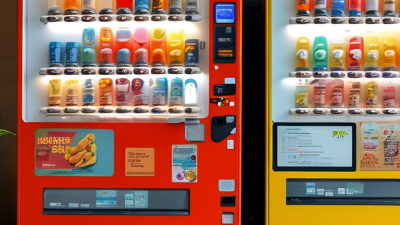
Refrigerated beverage machines suit busy locations with steady demand. They can keep water, juice, milk drinks, and low-sugar beverages chilled throughout the day. Snack machines work well in quieter areas because packaged food usually has a longer shelf life. Newer machines may include cashless payment, temperature alerts, remote stock reports, and clear product windows. These features improve control, but they do not replace regular maintenance.

Location still matters most. A machine near a gym may need more water and electrolyte drinks, while an office may sell more coffee, nuts, and light snacks. Product selection should reflect actual buying patterns.

Start small. Review sales weekly. Remove items that sit too long, even if they seem popular elsewhere.

I have seen operators overfill machines with healthy products that customers rarely touched. That was a useful lesson, but an expensive one.

Accessibility, cleaning routines, safe electrical installation, and accurate expiration checks also deserve daily attention. Convenience should never weaken reliability.

Fresh Food and Healthy-Choice Vending Machines

Fresh-food and healthy-choice vending machines are becoming practical food-service tools for offices, hospitals, schools, and transit locations. Fortune Business Insights estimated the global vending machine market at over $20 billion in 2023, with continued growth expected through 2032. Fresh salads, fruit cups, yogurt, sandwiches, and low-sugar drinks fit this expanding category. They serve people who need food quickly, but want better choices than candy and fried snacks.

Demand is also linked to a clear health gap. The Centers for Disease Control and Prevention reports that only about one in ten U.S. adults meets recommended fruit and vegetable intake. A refrigerated machine can place visible, portion-controlled options near workers and travelers. However, freshness is unforgiving. Operators need temperature monitoring, short replenishment cycles, clear expiration labels, and careful waste tracking. A machine full of wilted lettuce loses credibility fast. Not every healthy product will sell. That assumption needs testing.

Tips: Start with a small product range. Track sales by hour, location, weather, and product type. Keep cold meals below 41°F, following food-safety guidance. Use transparent packaging, readable nutrition details, and allergy information. Rotate products before quality declines, even when inventory remains. The best selection may look slightly boring, but reliability often matters more than novelty.

Specialty Machines for Electronics, Personal Care, and More

What Are the Top Vending Machine Types in 2026?

Specialty vending machines are becoming practical retail points for electronics, personal care, and everyday essentials. Electronics machines can offer charging cables, adapters, batteries, earbuds, and screen protectors. A clear product window helps shoppers compare sizes quickly. Strong lighting matters in busy stations and late-night locations.

Personal care machines can stock travel tissues, toothbrushes, skincare basics, hair ties, and sealed hygiene products. Placement near restrooms, hotels, campuses, and transport hubs improves usefulness. Temperature-sensitive items require careful storage checks. Operators should also review packaging rules, payment security, accessibility standards, and local consumer regulations. A machine may look modern, yet poor replenishment can damage trust within days.

Tips: Track sales by hour, not only by month. Keep fast-moving items at eye level. Test every payment option weekly. Leave space for larger packaging. The perfect machine does not exist. Some products sell well in theory but remain untouched in practice. Gather customer feedback, inspect expired stock, and adjust the product mix gradually. A simple handwritten note can reveal more than a complicated dashboard. Reliability comes from small checks repeated consistently.

What Are the Top Vending Machine Types in 2026?

Specialty machines dispense products beyond traditional snacks and drinks. This chart counts representative product examples for each machine type—not sales, installed machines, or market share.

Electronics and personal care machines can serve practical, immediate needs, while food, safety, stationery, and flower machines suit specific locations and occasions. Products offered vary by machine and operator.

Smart Vending Machines with Automated Payment and Tracking

What Are the Top Vending Machine Types in 2026?

Smart Vending Machines with Automated Payment and Tracking

Smart vending machines stand out in 2026 because they connect payment, inventory, and sales data in one system. A MarketsandMarkets industry report projected the global smart vending machine market would grow from $11.2 billion in 2023 to $22.3 billion by 2030. That growth reflects demand for convenient, cashless purchases and better stock visibility. A customer can tap a card or phone, while an operator checks sales and stock levels remotely. Useful, but not magic.

For operators, live tracking can help identify an empty shelf before the next scheduled visit. It can also show which products sell during a morning rush or late shift.

The data is only as good as the setup, though: incorrect product counts or a poor network connection can create misleading alerts. Automated payment reduces cash handling, but machines still need clear receipts, secure payment processing, and regular maintenance. A quiet machine in a hospital corridor may need different stock and refill timing than one in a busy office lobby. Small details matter. Smart systems can improve daily decisions, but they cannot replace checking the machine in person.