10 Best PUR Block Foam Manufacturers for Global Buyers
The global demand for PUR Block Foam is expanding across furniture, bedding, automotive interiors, packaging, and insulation. Market studies from Grand View Research and Fortune Business Insights place the broader polyurethane foam industry in the tens of billions of U.S. dollars, with steady growth expected through the next decade. These reports also highlight construction, transportation, and consumer comfort products as major demand drivers.
Yet, block foam purchasing is not simply a price comparison. Density, hardness, resilience, cell structure, dimensional stability, and cutting accuracy affect every finished product. A mattress manufacturer may need consistent foam recovery after repeated compression. A furniture factory may prioritize clean slab cutting and low production waste. Buyers should also review technical data sheets, batch records, testing methods, and export experience.
Small details matter.
This guide presents 10 Best PUR Block Foam Manufacturers for Global Buyers. The selection focuses on manufacturing capability, product consistency, customization, quality systems, logistics, and communication. Information is considered alongside industry standards and publicly available company evidence, including ISO 9001 certification, where verified. Regulatory suitability can vary by market, especially for chemical emissions, fire performance, labeling, and restricted substances. Buyers should confirm current requirements before ordering.
No ranking is perfect. A supplier with impressive equipment may still struggle with response times or small-volume orders. Likewise, a lower-cost quotation can hide packaging, testing, or freight risks. Treat this list as a practical starting point, not a final decision. Factory audits, sample trials, and written specifications remain essential for dependable global sourcing.
What PUR Block Foam Is and Why Global Buyers Use It
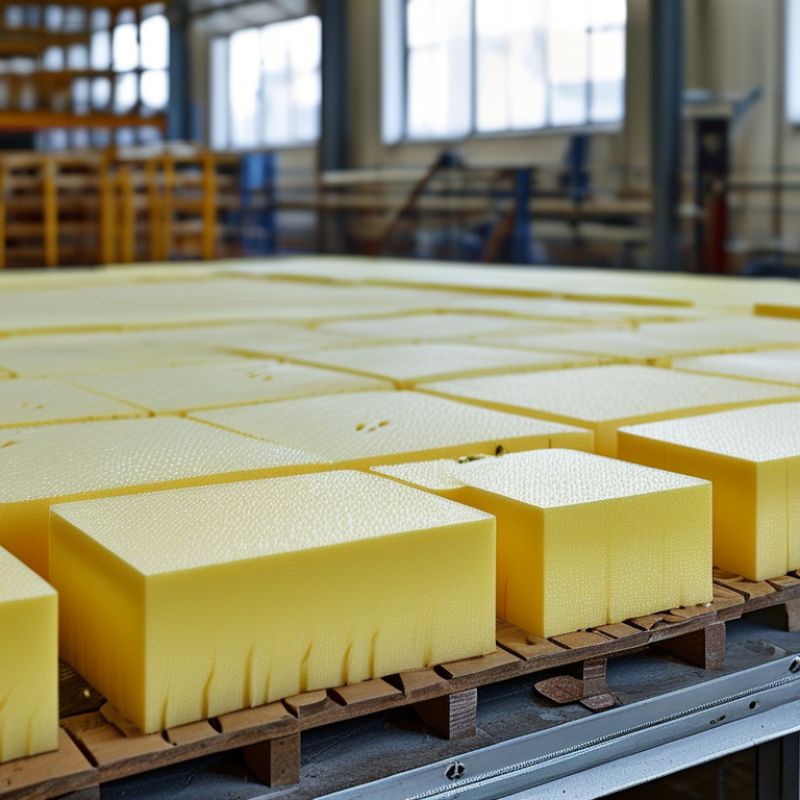
PUR block foam is a flexible polyurethane material produced in large, continuous blocks. Manufacturers cure the foam, then cut it into sheets, rolls, or custom shapes. Its open-cell structure provides softness, airflow, and controlled support. Density and firmness can be adjusted for mattresses, furniture cushions, vehicle interiors, acoustic products, and protective packaging.
Global buyers use PUR block foam because it combines low weight with practical performance. Large blocks support efficient cutting and reduce production waste when dimensions are planned carefully. Different grades also help buyers match comfort, resilience, compression recovery, and cost. However, foam is bulky before compression. Freight planning matters. A cheaper unit price may lose its advantage after shipping, storage, and cutting losses. Real performance can also change with temperature, humidity, and aging.
Tips:
Request density, hardness, tensile strength, and compression-set data before ordering. Ask for recent test reports and a production sample. Check fire, emissions, and labeling requirements in the destination market. Confirm tolerances, packing methods, shelf life, and batch consistency in writing. Do not judge quality by softness alone. It can mislead. A careful buyer should compare several samples under the same conditions, including repeated compression. I would also review the cutting yield, because a specification that looks excellent may perform poorly in actual production. Foam selection is not perfect on paper. Factory trials often reveal the details that quotations miss.
How to Evaluate PUR Block Foam Manufacturers Worldwide
Choosing among the 10 best PUR block foam manufacturers requires more than comparing catalog prices. I have found that factory evidence matters most during supplier audits. Ask for production records, batch traceability, and recent test reports. A reliable manufacturer should explain density tolerance, hardness range, cell structure, and dimensional stability clearly. Request samples cut from different production runs. One attractive sample proves little.
Evaluate raw material control, mixing equipment, curing rooms, and cutting accuracy. During a site visit, inspect storage temperatures and sealed chemical containers. Small details often reveal process discipline. Check whether the supplier can maintain stable density across large blocks, not only small trial pieces. Independent testing should verify compression, resilience, tensile strength, and aging performance. Confirm standards for your destination market, including labeling, documentation, and restricted-substance controls. Requirements vary widely. Avoid vague compliance claims.
Commercial reliability deserves equal attention. Review lead times, minimum order quantities, packaging methods, and backup production plans. Ask how defects are recorded and corrected. A strong quality system shows dated photos, corrective-action reports, and measurable acceptance criteria. Fast communication helps, but technical honesty matters more. If a manufacturer admits a failed trial and explains the repair, trust may grow. I still prefer a controlled pilot order before signing a long contract. My judgment can be wrong when data is incomplete, so independently recheck references and test results.
How to Select the Right Manufacturer for Your Application
When selecting a PUR block foam manufacturer, begin with the application, not the catalog. Define required density, hardness, resilience, thermal range, and cutting tolerance. A seat cushion needs different support from a filtration core or packaging insert. Ask for technical data linked to specific production lots. Generic figures may look impressive, but they can hide variation. Request samples in the intended thickness. Test them after conditioning, compression, and repeated handling. Small details matter.
An experienced manufacturer should explain raw-material controls, foam rise behavior, curing time, and block-aging procedures. Ask how operators monitor density across the block, especially near edges and corners. Uneven cells can create waste during slicing. Review test methods, calibration records, and corrective-action reports. These documents reveal more than polished sales language. I would also inspect a production sample, not only a laboratory cube. A clean factory helps, but it does not prove consistent foam. Measure twice. Suppliers should admit limitations and explain how they manage them.
For international purchasing, assess packaging, moisture protection, labeling, export documentation, and realistic lead times. Confirm whether the manufacturer can support trial quantities before committing to full blocks. Discuss tolerances in writing, including density range, dimensions, color, and allowable surface defects. Be careful with very low prices. They may reflect lower testing or unstable scheduling. Yet premium pricing is not proof of quality either. Compare evidence, response speed, and problem-solving discipline. A reliable partner communicates changes early, records each batch, and accepts reasonable technical questions. Selection is rarely perfect. Leave room for review after the first shipment.
10 Best PUR Block Foam Manufacturers for Global Buyers: How to Select the Right Manufacturer for Your Application
Typical density ranges for flexible polyurethane block foam applications. Buyers should compare manufacturers by density control, compression performance, certification, cell structure, flame-retardant requirements, customization capability, and batch consistency. Actual specifications vary according to formulation, production process, and end-use requirements.
