Why Smart Vending Machines Are Revolutionizing Modern Retail?
In recent years, smart vending machines have dramatically changed the landscape of retail. These machines are more than just snack dispensers. They combine technology with convenience, catering to consumer needs in real-time. Smart vending machines use data analytics to track inventory and sales patterns, allowing for efficient stock management.
Imagine walking through a busy train station. A smart vending machine recognizes your preferences and suggests drinks or snacks tailored for you. This personalization enhances the shopping experience. However, challenges arise with their maintenance and technical issues. Not all machines are user-friendly, leading to frustration.
Despite these flaws, smart vending machines offer new ways to engage customers. They provide contactless payment options, which many prefer in today's health-conscious world. As retail evolves, these machines symbolize innovation. Their impact is clear, but the journey of improvement remains ongoing.
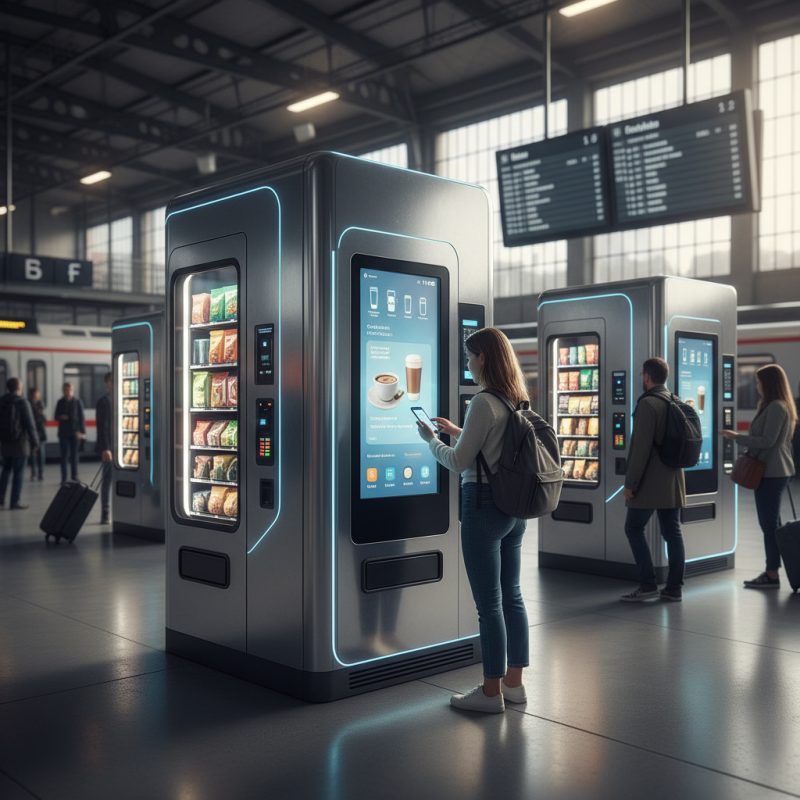
The Evolution of Vending Machines in Retail History
Vending machines have come a long way since their inception. Originally designed to dispense simple snacks, they have evolved into sophisticated retail solutions. The global vending machine market is expected to reach $30 billion by 2027, demonstrating their growing importance in retail (Statista, 2023). This shift can be attributed to technological advancements and changing consumer habits.
Smart vending machines now integrate touch screens and cashless payment options. They provide users a convenient shopping experience, allowing customers to select and purchase items easily. According to research by Grand View Research, the demand for such machines has surged by 30% annually. This rapid growth highlights how consumers value speed and efficiency in their shopping journeys.
**Tip:** Consider how these machines can enhance your retail strategy. Do they align with your target audience's preferences?
Despite these advancements, challenges remain. Maintenance and regular updates are crucial. If not addressed, machines can become outdated, frustrating customers. In addition, location selection is vital; placing machines in high-traffic areas can significantly boost visibility and sales.
**Tip:** Regularly analyze machine performance data to optimize stock and locations. Are you making the most of your investment?
Key Features of Smart Vending Machines Enhancing Customer Experience
Smart vending machines are changing how we shop. They offer convenience and personalization that traditional machines lack. Users can easily browse through digital screens. Touchless payment options enhance hygiene, which is crucial today. This makes buying snacks or drinks quicker. It’s like having a store at your fingertips.
These machines can analyze customer data to suggest popular items. They can change the stock based on local trends. Imagine finding a cold drink on a hot day, tailored just for you. However, reliance on technology can be frustrating. Systems may crash or interfaces may confuse some users. Reflections on user experiences show that not everyone is tech-savvy, which can limit accessibility.
Innovative features like real-time inventory updates make a difference. Customers appreciate transparency about what’s inside. Yet, sometimes, machines fail to display items accurately. This leads to disappointment. Addressing these flaws is essential for the future of smart vending machines. They must focus on improving user interactions and reliability to realize their full potential in modern retail.
Impact of Smart Vending Machines on Supply Chain Efficiency
Smart vending machines are transforming the retail landscape by enhancing supply chain efficiency. These machines leverage technology to track inventory in real time. This capability allows businesses to monitor product levels without manual checks. As a result, restocking can happen at optimal times, reducing waste. It cuts down on the chances of running out of popular items. However, integrating such technology isn't always smooth.
Some retailers face challenges adapting to new systems. Staff training may lag, leaving machines underutilized. Moreover, technical malfunctions can disrupt service. Despite these issues, the immediate feedback from customers helps refine operations. Data analytics are used to understand buying patterns. This insight leads to better stocking practices and personalized offerings. Yet, relying heavily on technology can sometimes alienate customers who prefer human interaction.
As more businesses adopt smart vending, the retail dynamic shifts. The demand for efficient supply chains rises. Enhancements in technology may continue to grow. Still, the balance between automation and customer service needs careful handling. Striking this balance can be critical for long-term success in modern retail.
Impact of Smart Vending Machines on Supply Chain Efficiency
Case Studies: Successful Implementations of Smart Vending Solutions
Smart vending machines are changing the retail landscape. These machines provide convenience and efficiency, making shopping easier for customers. In urban areas, they serve busy professionals who seek quick solutions. For example, a vending machine stocked with healthy snacks can attract health-conscious individuals on the go.
Case studies show successful implementations of these machines in various settings. One notable example involves a university campus. Students can quickly grab meals between classes. The machine offers cashless payment options, enhancing the user experience. Another interesting case is an office building that uses vending machines for tech gadgets. Employees can buy chargers or headphones without leaving the workplace.
Tips for businesses considering smart vending solutions: start small. Test the market with a limited range of products. Monitor customer preferences before expanding. Engage with customers through feedback. This helps refine offerings. Remember, it's important to stay flexible. Adapt to trends and demands quickly to stay relevant in this evolving market.
Why Smart Vending Machines Are Revolutionizing Modern Retail
| Dimension |
Data Point 1 |
Data Point 2 |
Data Point 3 |
| Location Deployment |
Urban Centers |
Transportation Hubs |
Office Buildings |
| Product Categories |
Snacks |
Beverages |
Healthy Options |
| Payment Types |
Mobile Payments |
Contactless Cards |
Cash |
| Sales Growth (%) |
25% in Year 1 |
40% in Year 2 |
60% in Year 3 |
| Customer Engagement |
User Feedback Surveys |
Social Media Interactions |
Loyalty Programs |
Future Trends: The Role of AI and IoT in Vending Machine Innovations
The integration of AI and IoT into vending machines is transforming the retail landscape. According to a recent report by Grand View Research, the smart vending machine market is expected to grow from $3.2 billion in 2022 to over $10 billion by 2030. This surge highlights a shift toward data-driven decisions in retail spaces. With IoT sensors, vending machines can track inventory in real-time, helping operators manage stock with accuracy.
AI technologies enhance customer experience through personalized recommendations. For instance, machine learning algorithms analyze purchase patterns and adapt offerings accordingly. Reports indicate that businesses using AI can see a 25% increase in sales. However, reliance on technology comes with challenges. Systems may face issues like miscommunication or downtime, causing frustration.
As machines become smarter, ethical considerations also arise. Privacy concerns loom when personal data is collected. Industry reports stress that maintaining customer trust is crucial. Businesses must tread carefully.
Balancing innovation and customer satisfaction will define the future of smart vending.