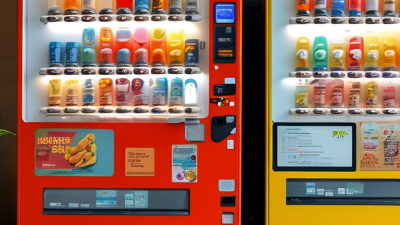
Top 10 Refurbished Vending Machines for Global Buyers
A refurbished machine can look ready on a showroom floor: clean panels, bright product labels, and a freshly lit display. The harder questions sit behind the cabinet. Has the compressor been tested? Are the payment system, cooling cycle, and product sensors working under repeated use? For global buyers, shipping distance and access to replacement parts matter just as much as the purchase price. Small details can become expensive surprises.
Vending-industry spokesperson Jeff Lenard has often discussed convenience as a central customer expectation. Applying that perspective to used equipment, this guide uses the following editorial paraphrase—not a verbatim quotation: “A refurbished machine earns trust when it works reliably at the moment of need.” The distinction matters. A buyer should ask for service records, a clear refurbishment checklist, warranty terms, and photos of the actual unit—not just a polished catalogue image. Ask who handles repairs after delivery, too.
This Top 10 guide compares refurbished vending machines for different locations, budgets, and operating needs. It considers build quality, energy use, payment compatibility, capacity, and after-sales support. A machine suited to a busy office may be wrong for a small hotel lobby. There is no universal winner. Still, no checklist removes every uncertainty; a neat cabinet can hide a tired compressor. Buyers should confirm condition and support in writing before paying. The goal is a practical shortlist, not a promise that every refurbished unit will perform alike.
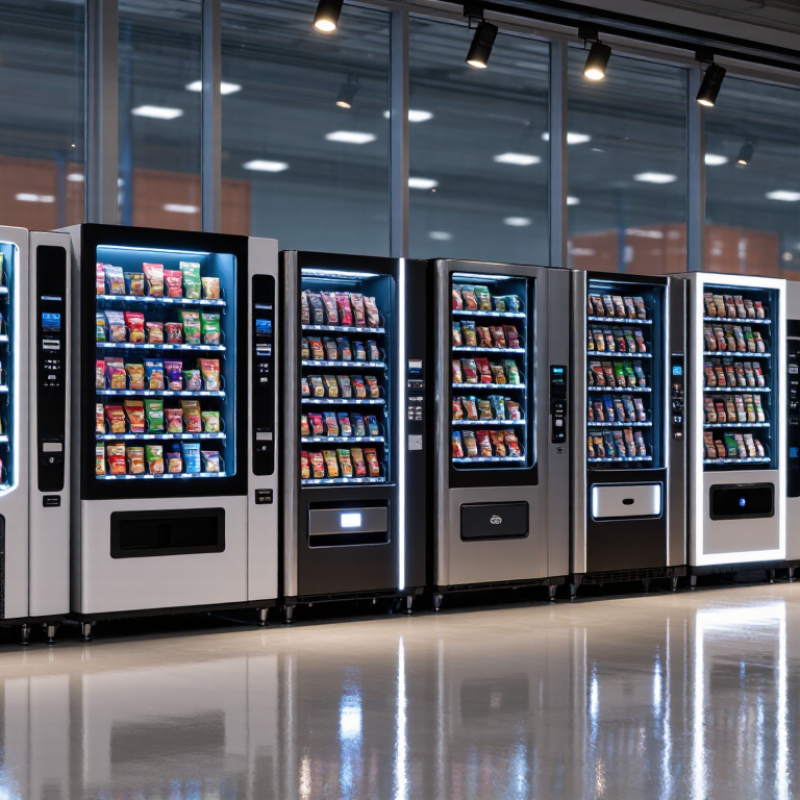
Refurbished Vending Machines: Reconditioning, Uses, and Key Features
Refurbished vending machines can offer dependable service at a lower purchase cost, but the word refurbished covers different levels of work. Proper reconditioning begins with a full inspection of the cabinet, wiring, motors, cooling system, and dispensing mechanism. Worn belts, cracked seals, and damaged shelves should be repaired or replaced, not simply cleaned. The machine should then be tested with actual products to check delivery, temperature stability, and payment operation. Ask for a written service record. Details matter.
Use affects what to inspect. A machine placed in a warm lobby needs reliable cooling and clear ventilation space. In a busy factory, sturdy shelves and easy-to-clean surfaces may matter more. Buyers should also confirm that the machine supports payment methods available at the intended location. Voltage, plug type, and network connectivity can vary between markets. A technically sound machine may still need adaptation before installation.
Look closely at the cabinet and interior for rust, moisture marks, and uneven repairs. A fresh coat of paint can hide wear; it cannot prove the refrigeration system is healthy. Request the machine’s age, replaced-part list, test results, and warranty terms. If possible, run several vend cycles before shipment. Not always practical. When an in-person test is impossible, clear photographs and a detailed inspection report reduce uncertainty, though they cannot remove it completely.
How to Compare Refurbished Machines for Global Markets
Refurbished vending machines can look alike, yet their fit varies by climate, payment habits, and service access. Grand View Research valued the global vending-machine market at USD 21.3 billion in 2023. This signals broad demand, not guaranteed sales for any used unit. Treat it as context, not a forecast.
Compare the cabinet, cooling system, and controller separately. Ask for compressor hours, temperature logs, parts availability, and a test video showing a complete vend. A machine restored for a temperate warehouse may struggle in a hot, humid shop. Check door seals and condenser dust. Small details matter. For energy, use the U.S. EPA ENERGY STAR benchmark. Qualifying machines can use up to 40% less energy than standard models. Compare measured consumption, not a seller’s estimate.
Global buyers should verify voltage, frequency, plug type, and language support before shipment. Cashless readers may need local network coverage; test them with the intended payment setup. Request a written parts list and warranty terms in plain language. Be cautious with vague “fully refurbished” claims. Cosmetic work is easier to document than internal wear.
Top 10 Refurbished Vending Machines by Product Type and Use Case
Top 10 Refurbished Vending Machines for Global Buyers
Top 10 Refurbished Vending Machines by Product Type and Use Case
Refurbished machines can serve very different locations. Snack units fit break rooms and school corridors, while chilled-drink machines work well in gyms and transport hubs. Combination machines offer both, but check that their shelves suit the products you plan to stock. Coffee and hot-drink models suit offices with steady morning traffic. Fresh-meal machines need dependable cooling and clear temperature records. Small details matter.
Frozen-food machines suit sites with reliable power and enough space for servicing. Packaged-water machines can serve workshops and outdoor venues. Personal-care units offer basic travel items in hotels or stations. Stationery machines suit campuses, while phone-accessory models may work near waiting areas. For all ten types, confirm product dimensions, payment compatibility, local voltage, and spare-part availability before purchase. A low price is not much help if the unit cannot be maintained nearby.
Tips: Ask for service history and test each selection, payment method, door seal, and cooling cycle. Inspect coils for rust and check that the display is readable. If possible, run the machine under load for several hours. Refurbishment standards vary, so request written details of replaced parts and warranty coverage. I would still budget for small repairs; even a clean-looking machine can hide worn components.
| No. | Machine Type | Typical Products | Common Use Cases | Representative Capacity | Typical Cabinet Size (W × D × H) | Key Refurbishment Checks |
|---|---|---|---|---|---|---|
| 1 | Packaged Snack | Chips, confectionery, biscuits, and other shelf-stable packaged snacks | Offices, schools, factories, transport hubs, and recreation facilities | About 200–500 items, depending on product and tray layout | Approx. 90–110 × 75–90 × 180–195 cm | Check tray motors, delivery detection, door seals, keypad or touchscreen, and payment-system compatibility. |
| 2 | Cold Beverage | Canned and bottled soft drinks, water, and other chilled beverages | Workplaces, campuses, gyms, hospitals, and public waiting areas | About 200–600 cans or bottles; container size affects capacity | Approx. 90–110 × 80–95 × 180–200 cm | Test compressor and fans, inspect condenser coils and door gaskets, and verify stable cooling and temperature controls. |
| 3 | Snack-and-Drink Combo | Packaged snacks alongside selected chilled cans or bottles | Small offices, hotels, apartment buildings, and sites with limited floor space | Often about 150–350 total selections across snack and drink sections | Approx. 90–110 × 80–95 × 180–200 cm | Check both refrigeration and ambient sections, product-delivery alignment, and whether the controller supports the intended payment method. |
| 4 | Fresh Food and Meal | Chilled sandwiches, salads, prepared meals, and packaged desserts | Hospitals, campuses, offices, and 24-hour staff areas | Typically about 30–100 selections, depending on compartment size | Approx. 90–120 × 85–105 × 180–205 cm | Verify refrigeration performance, temperature monitoring, food-safe interior condition, and suitability for local food-safety requirements. |
| 5 | Bean-to-Cup Coffee | Espresso-style coffee, black coffee, and milk-based drinks, depending on configuration | Offices, hotels, dealerships, and staff break rooms | Ingredient capacity varies; commonly designed for dozens to hundreds of servings between refills | Approx. 60–90 × 65–85 × 160–190 cm | Inspect grinder, brewer, pumps, boilers, milk system, and cleaning cycle; confirm water connection or tank arrangement. |
| 6 | Hot Drinks and Instant Beverage | Instant coffee, tea, hot chocolate, and other powdered drinks | Factories, offices, service areas, and locations needing quick hot-drink service | Ingredient canisters vary; commonly supports multiple drink selections | Approx. 50–80 × 55–75 × 150–185 cm | Test heater, water circuit, mixing bowls, dispensing nozzles, and descaling status; check for leaks and scale buildup. |
| 7 | Frozen Food and Ice Cream | Frozen meals, ice cream, and other products requiring frozen storage | Residential buildings, campuses, convenience areas, and leisure venues | Often about 50–200 items, depending on package size and delivery system | Approx. 90–120 × 85–110 × 180–205 cm | Confirm the unit reaches and maintains its specified freezing temperature; inspect insulation, seals, compressor, and defrost system. |
| 8 | Personal Protective Equipment (PPE) | Gloves, masks, safety glasses, earplugs, and small workplace supplies | Factories, warehouses, laboratories, and controlled-access workplaces | About 100–400 items, depending on package size and coil or locker layout | Approx. 75–100 × 75–90 × 180–195 cm | Test dispensing for irregular packages, inventory controls, user access settings, and any required workplace-system connection. |
| 9 | Locker-Style Pickup Vending | Pre-ordered meals, parcels, electronics, or other individually loaded items | Retail pickup points, offices, campuses, and residential developments | Usually about 10–60 compartments; compartment sizes vary by configuration | Approx. 90–150 × 45–80 × 180–210 cm | Check electronic locks, door sensors, screen or keypad, network connection, and compatibility with the buyer’s pickup software. |
| 10 | Bulk Product | Small toys, capsules, confectionery, or other loose items suited to bulk dispensing | Family entertainment venues, retail entrances, and community spaces | Several bulk hoppers; total item count depends on hopper size and product dimensions | Approx. 30–60 × 30–60 × 120–170 cm per cabinet or stand | Inspect coin mechanism or payment retrofit, dispensing wheels, hopper condition, locks, and compatibility with the products being sold. |
| Buyer’s note: Capacity and cabinet measurements are representative ranges, not guaranteed specifications. Actual dimensions, cooling performance, electrical requirements, payment options, and connectivity vary by machine and configuration. Before purchase, confirm the exact unit’s measurements, local voltage and frequency, plug type, shipping dimensions, service history, and compliance requirements for the destination market. | ||||||
International Requirements for Payments, Power, Shipping, and Compliance
For global buyers, a refurbished vending machine is only useful when its payment system works locally. Worldpay’s Global Payments Report 2024 estimates digital wallets represented 30% of global in-store transaction value in 2023. Check whether the reader supports local cards, contactless payments, and required payment-provider certifications. Confirm network bands and SIM compatibility before shipment. Small details matter.
Power compatibility needs equal care. Compare the machine’s rating plate with the destination’s voltage and frequency; markets commonly use 100–127V or 220–240V, at 50 or 60Hz. A compressor may need more current at startup than its running figures suggest. Ask for wiring diagrams and a qualified technician’s inspection record. Adapters are not a fix for an incompatible motor.
Shipping and compliance can reshape the landed cost. UNCTAD’s Review of Maritime Transport 2024 reports that shipping carries over 80% of world trade by volume. Request packed dimensions, gross weight, moisture protection, and a clear customs description before booking freight. Then verify applicable electrical-safety, food-contact, refrigerant, and radio-equipment requirements with the destination authorities. Keep test reports and refurbishment records with the machine. Honestly, paperwork is easy to underestimate. Check it before paying, not after the crate arrives.
How to Assess Suppliers, Warranties, and Long-Term Costs
A refurbished vending machine may look ready for business, but appearance alone says little about its service history. Ask suppliers for the unit’s age, repair records, inspection checklist, and clear photos of internal parts. Request a video showing a full dispensing cycle; for refrigerated models, check the temperature reading after the machine has run. Test it. Confirm that the quoted price includes the payment system and any required setup. Ask who pays for replacement parts and labor if a fault appears after delivery.
Read the warranty carefully, especially its duration, exclusions, and claim process for overseas buyers. A short warranty is not automatically a poor deal, but slow support can leave a machine idle. Details matter. Compare the total landed cost, including freight, import charges, installation, energy use, and likely spare parts. Ask which components are commonly replaced and whether they can be shipped to your region. One easy mistake is focusing on the purchase price while ignoring downtime. Build a modest repair allowance into your budget, and verify the machine’s voltage and plug requirements before payment.
Top 10 Refurbished Vending Machines for Global Buyers
A supplier-assessment scorecard for comparing refurbished machine offers
The 100-point weights are a practical buyer-designed framework, not market statistics or a supplier ranking. Before purchasing, verify refurbishment and test records, warranty exclusions, spare-parts availability, shipping and import costs, and expected maintenance expenses in writing.
Related Posts
-
2026 Best Refurbished Vending Machines for Your Business Needs?
-
Are Refurbished Vending Machines Worth the Investment?
-
What Are the 2026 Best Snack Machines for Global Buyers?
-
China Best Refurbished Vending Machines Supplier?
-
How to Choose the Best Food Vending Machines for Your Business?
-
7 Essential Tips for Choosing the Right Soda Machines for Your Business