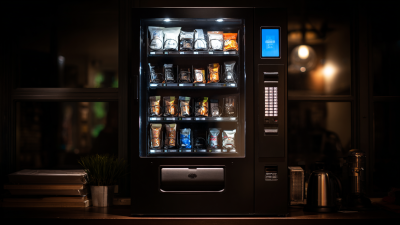
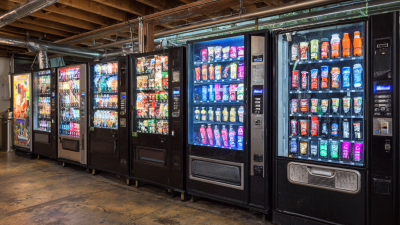
What is a refrigerated vending machine and how does it work?
Refrigerated vending machines have transformed the way we purchase snacks and drinks. As a convenient solution, they offer cold beverages and perishable food items in various locations. According to John Harrington, an expert in automated retail technology, "Refrigerated vending machines provide fresh options to consumers, ensuring quality and convenience."
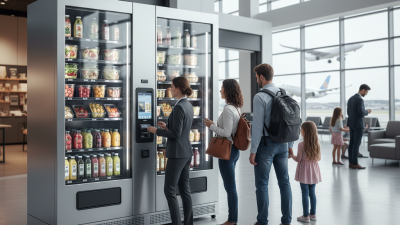
These machines operate using advanced refrigeration systems. They keep food and drinks at optimal temperatures, enhancing freshness. You can find them in places like offices, gyms, and schools, catering to busy lifestyles. Customers often appreciate the variety and quick access to chilled goods.
However, there are challenges in the industry. Not all machines maintain consistent temperatures, which can affect product quality. Regular maintenance is crucial for their success. Additionally, consumer preferences can shift, which requires operators to adapt their offerings. Refrigerated vending machines are indeed innovative, but ongoing evaluation is necessary to meet expectations.
What is a Refrigerated Vending Machine? Definition and Overview
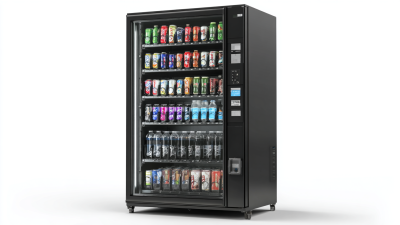
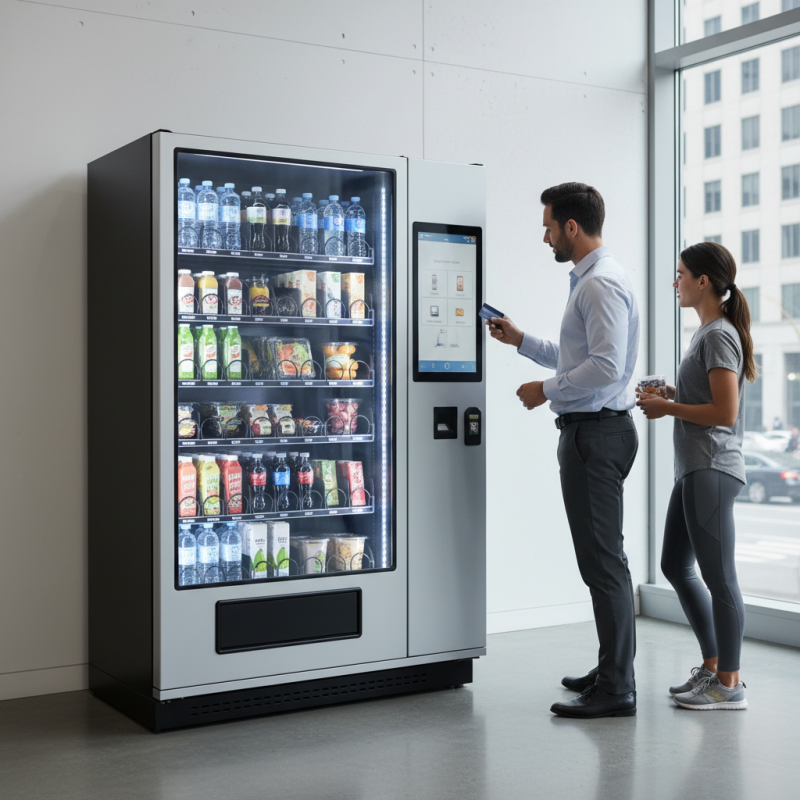
A refrigerated vending machine is a modern take on the traditional vending concept. These machines store food and beverages that require cool temperatures to remain fresh. Typically, they are equipped with refrigeration units that maintain a specific temperature range. This ensures that perishable items, like sandwiches, salads, or dairy products, don’t spoil quickly.
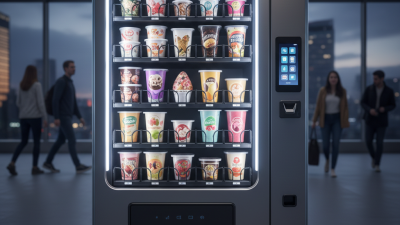
These machines often use transparent doors, allowing customers to see the items inside. This feature can entice buyers to make impulsive decisions. Users can access the products by selecting their choice and paying through various methods, such as credit cards or mobile payments. However, one drawback is that these machines can sometimes malfunction. For instance, the cooling system may fail, risking food safety. It’s crucial for operators to perform regular maintenance checks to address these issues.
Venturing into the world of refrigerated vending brings exciting opportunities, but also some challenges. For instance, selecting the right location is key. High foot traffic areas are ideal, yet, operational costs can escalate. Managing inventory to ensure products are fresh can also be tricky. Balancing variety and demand often requires constant attention and adaptability. It’s not always straightforward, but the potential rewards are significant.
Key Components of Refrigerated Vending Machines and Their Functions
Refrigerated vending machines are unique. They provide cold snacks and beverages on the go. These machines are equipped with a complex system to maintain low temperatures. Understanding their components helps us appreciate their functionality.
One key component is the refrigeration unit. It actively cools the interior to preserve perishables. Another important part is the temperature sensor. This sensor monitors the internal temperature. If it rises above a set limit, the system adjusts automatically. The display panel is also crucial. It shows product information and pricing clearly. This helps users make quick decisions.
Unfortunately, sometimes these machines fail. A common problem is temperature inconsistency. It can lead to spoilage of items. Regular maintenance is essential but often overlooked. Operators must ensure the machines are stocked and functioning properly. This proactive approach prevents frustrated customers and reduces waste.
Refrigerated Vending Machines - Key Components and Functions
Operational Mechanisms: How Temperature Control Works in Vending Machines
Refrigerated vending machines use advanced technology to keep products fresh. They offer cold drinks, snacks, and other perishable items. These machines rely on temperature control systems to maintain optimal conditions.
Inside, a compressor circulates refrigerant. This process absorbs heat and cools the interior. A thermostat monitors temperature, turning the compressor on or off as needed. This ensures consistent cooling, vital for food safety. Even with this technology, these machines must be monitored regularly.
Tips: Always check the temperature display on the vending machine. If it reads higher than expected, report it. Regular maintenance is key to preventing breakdowns. Consider stocking machines with items that require less refrigeration. Not everything needs to be ice-cold. Choosing the right products can reduce energy usage and improve sales.
Market Trends: Growth of Refrigerated Vending Machines in the Snack Industry
The snack industry is witnessing a notable shift with the rise of refrigerated vending machines. These machines offer fresh, healthy options, catering to modern consumer preferences for nutritious snacks. Unlike traditional vending units, they maintain perishable items at optimal temperatures. This innovation aims to enhance convenience while promoting healthier choices.
Market trends indicate a growing demand for fresh offerings. Consumers are increasingly seeking nutritious snacks over sugary alternatives. Refrigerated machines provide items like salads, yogurt, and fresh juices. They are often placed in high-traffic areas such as gyms and offices. However, challenges remain. Many operators lack the knowledge to properly stock and maintain these machines. Regular maintenance is crucial to ensure food safety and quality.
The potential for growth in this sector seems promising. As awareness of healthy eating continues to rise, refrigerated vending machines are poised to flourish. Yet, operators must understand consumer behavior and regularly update their offerings. Listening to feedback is essential. Adaptation will be key in meeting evolving demands in the marketplace.
Benefits and Challenges of Using Refrigerated Vending Machines in Businesses
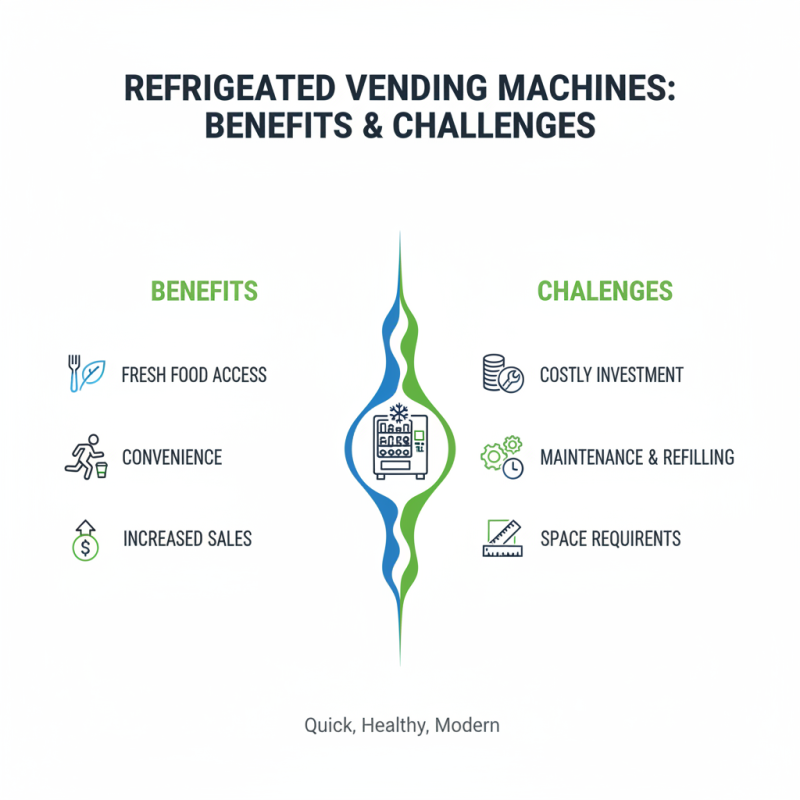
Refrigerated vending machines are becoming popular in various businesses. They offer easy access to fresh food and beverages. Customers appreciate the quick grab-and-go options. However, implementing these machines comes with both benefits and challenges.
One major benefit is the variety of products available. These machines can store salads, smoothies, and even desserts. This variety caters to different dietary preferences. Also, they can attract health-conscious consumers. Yet, the initial investment is often high. Businesses must consider the costs of refrigeration and inventory management. Maintenance can be another challenge, as these machines require regular checks to ensure food safety.
Additionally, there is the challenge of location. Placing these machines in high-footfall areas is essential. But finding the right spot can take time and effort. Some businesses may also struggle with product rotation. If items are not fresh, it can harm a brand's reputation. Balancing these aspects is crucial for success in using refrigerated vending machines.