What is an Industrial Panel PC and How Does It Work?
Industrial Panel PCs are increasingly popular in various sectors. These devices combine the functionality of a computer with a user-friendly touchscreen interface. They serve various purposes, including monitoring, data collection, and control in industrial settings.
In many factories, Industrial Panel PCs function as central hubs. Operators can easily access vital information with a simple tap. Some models are designed to withstand harsh environments. This feature is crucial for industries like manufacturing and logistics. Despite their robustness, not all Industrial Panel PCs offer the same performance or durability.
Choosing the right Industrial Panel PC requires careful consideration. Factors such as processing power, screen size, and environmental resistance are essential. It's important to reflect on how these choices impact overall productivity. An Industrial Panel PC should enhance workflow, not hinder it. Users often find themselves reevaluating their initial choices.
What is an Industrial Panel PC?
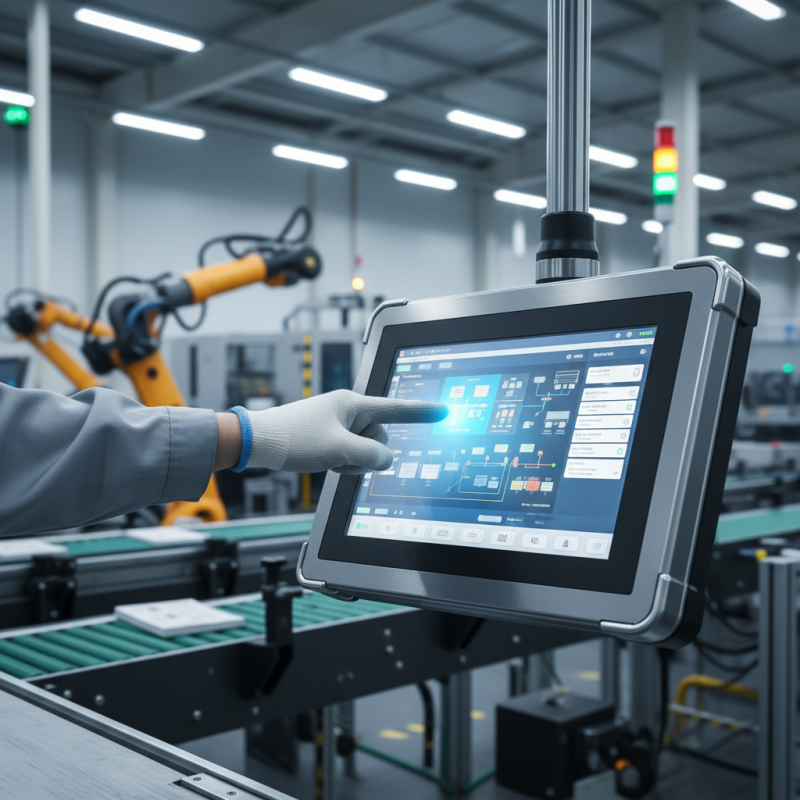
An industrial panel PC is a robust computer integrated into a flat panel display. These are widely used in manufacturing, automation, and other industrial sectors. Unlike regular PCs, they are designed to withstand harsh environments. They often feature a sealed design to resist dust and moisture. This makes them ideal for factories and warehouses.
According to a recent market report, the industrial panel PC market is expected to grow by 6% annually. This growth reflects the increasing automation in various industries. More companies are discovering the efficiency of having operator interfaces combined with computing power. The high durability of these devices promotes long-term use, reducing replacement costs.
**Tip:** When choosing an industrial panel PC, consider the operating temperature range. Some environments can be extreme. Ensure the panel can function well in your specific conditions to avoid failures.
Industrial panel PCs are often equipped with touchscreens. This allows for easier navigation and control of machines. However, touchscreens can have limitations. They may not work well with gloved hands or in very wet conditions. This requires careful consideration in design and usage.
**Tip:** Regular maintenance is crucial. Dust and debris can accumulate, affecting performance. Schedule checks to keep your devices running smoothly.
Key Components of an Industrial Panel PC
An industrial panel PC is a robust computing device designed for demanding environments. It integrates various components that ensure reliability and durability. Key components include the display, CPU, memory, and storage. The display often features touchscreen capabilities, allowing for intuitive navigation even in harsh settings.
The CPU is the heart of the panel PC. It handles all computing tasks, processing data quickly. Depending on the specific application, different CPUs may be utilized. Memory is crucial too, enabling smooth multitasking. Higher memory capacity can significantly enhance performance in data-heavy applications.
Storage options vary, including SSDs and HDDs. SSDs offer faster data access and better durability, especially in rugged environments. The design of industrial panel PCs is often modular, allowing easy upgrades. This adaptability can lead to operational efficiency but may introduce some complexity.
Tips: Always consider the environment where the panel PC will be used. Dust, moisture, and temperature extremes can affect performance. Regular maintenance checks are essential to keep the system running smoothly. Also, invest in training for staff to ensure efficient use of the technology.
How Industrial Panel PCs Operate
Industrial Panel PCs are essential in various sectors. They combine the functionalities of a computer and a display in one device. These PCs are designed to work in harsh environments. They often feature touchscreens for easy interaction.
The operation of Industrial Panel PCs relies on robust hardware and efficient software. They typically use industrial-grade components to ensure reliability and longevity. For instance, a report from MarketsandMarkets suggests that the industrial PC market is projected to reach $3.23 billion by 2024. This growth indicates increased adoption in factories and control rooms.
Additionally, Industrial Panel PCs often connect to a wide range of sensors and machines. They gather real-time data, which aids decision-making. However, integration can be challenging. Not all systems are compatible, and this can lead to data silos. Companies can struggle to unify their operations. Focusing on interoperability should be a priority for many.
Applications of Industrial Panel PCs in Various Industries
Industrial Panel PCs are versatile tools used across various industries. In manufacturing, they streamline operations. Workers can monitor processes in real-time. These devices enhance productivity by allowing quick adjustments.
In healthcare, Industrial Panel PCs manage patient data. They help in tracking medical records efficiently. These systems improve the quality of care. However, the implementation might face challenges, like staff training.
Tips: Ensure that staff is trained properly when introducing new technology. Frequent technical support can help in minimizing downtime. Communication among team members is key to successful adaptation.
In retail, these PCs assist in inventory management. They provide valuable sales data quickly. Yet, limited user input interfaces can hinder usability. Overcoming these drawbacks is essential for effective operations.
Advantages of Using Industrial Panel PCs in Industrial Settings
Industrial Panel PCs are becoming essential in industrial environments. They serve as powerful computing units while also acting as user interfaces. One significant advantage is their robustness. These devices are designed to withstand harsh conditions, like dust and moisture. This durability ensures continuous operation in factories.
Another benefit is their space efficiency. With a compact design, they can easily integrate into various workstations. This saves valuable floor space. Moreover, many models offer touch-screen capabilities. This feature allows operators to interact without additional peripherals. The ease of use enhances productivity and safety.
However, some challenges remain. Not all Panel PCs offer the same level of performance. Users may find it difficult to choose the right model for their needs. Additionally, maintenance can be an issue. Not all technicians are familiar with these systems. Regular training is necessary to ensure effective use. With the right support, the advantages can outweigh these concerns.
What is an Industrial Panel PC and How Does It Work?
| Feature | Description | Advantages |
| Design | Compact all-in-one device with a touchscreen interface | Space-saving and user-friendly operation |
| Durability | Built to withstand harsh environments including dust, moisture, and extreme temperatures | Longer lifespan and reduced maintenance costs |
| Performance | High processing power with advanced graphics capabilities | Efficient handling of complex applications |
| Connectivity | Multiple ports for USB, HDMI, Ethernet, and serial connections | Flexible integration with other equipment and systems |
| Customization | Configurable hardware and software options | Tailored solutions for specific industrial applications |
