What Is the Best Vending Machine Location?

Choosing the right vending machine location is rarely a matter of guessing where crowds gather. A busy sidewalk may look promising, yet people might never pause there. Effective vending machine locations combine steady foot traffic, customer needs, visibility, and safe access. They also match the products offered with the habits of nearby visitors.

A school may support snacks and drinks during long activity periods. An office building may perform better with coffee, water, and quick breakfast items. In a hospital, visitors may value practical products, while staff may need reliable service throughout the day. Placement near entrances, waiting areas, elevators, or break rooms can improve attention without blocking movement. Foot traffic matters. So does dwell time.

Experienced operators examine more than daily visitor counts. They study peak hours, nearby competitors, lighting, cleanliness, power access, and the owner’s permission. Sales records, short customer surveys, and regular machine checks provide stronger evidence than intuition alone. A clean machine with visible prices often earns more trust than a neglected unit in a crowded place. Visibility beats theory.

No location formula is perfect. A site that performs well in summer may weaken during school holidays or seasonal weather. Some assumptions may also be wrong. A quiet lobby can outperform a busy street when customers wait there for ten minutes. This guide explores practical ways to compare vending machine locations, estimate demand, reduce avoidable risks, and improve placement through measured testing rather than confident guesswork. The best choice is usually discovered through observation, careful records, and a willingness to adjust.
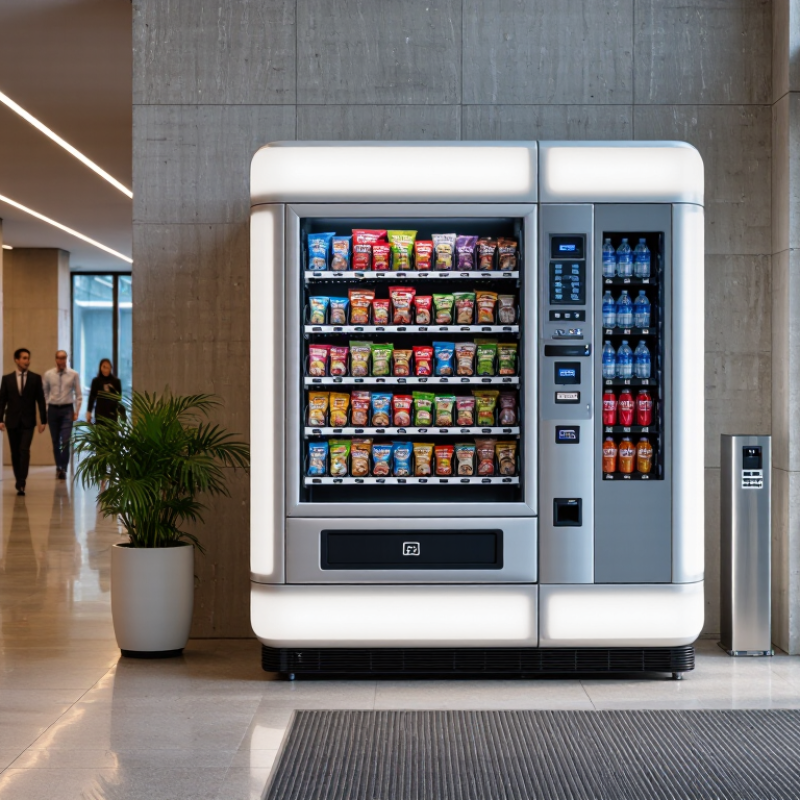
What Is the Best Vending Machine Location?

Key Factors in Choosing a Vending Machine Location

What Is the Best Vending Machine Location?

Key Factors in Choosing a Vending Machine Location

The best location is not always the busiest one. It is where people pause, need something quickly, and feel comfortable buying. During site checks, observe foot traffic at different hours. A hallway may look busy at noon but remain empty after work. Entrances, waiting areas, staff rooms, and shared residential spaces can perform well when access is consistent.

Visibility matters. Place the machine near natural walking routes, not behind doors or crowded furniture. Good lighting helps customers read product labels. Reliable electricity is essential, while a nearby security camera can reduce damage and theft risks. Always confirm written permission, access hours, maintenance rules, and local placement requirements with the property manager.

Tips: Count visitors for several time periods. Ask what people currently carry from outside. Check whether the audience matches the products. Keep enough space for queues and wheelchair access. Test a small location before making a larger commitment.

I once assumed a quiet office lobby would produce strong sales. It had steady traffic, but most employees brought drinks from home. That mistake taught me to study customer habits, not just movement. Sales records should be reviewed weekly, including slow periods. A location can appear promising and still need better product selection, clearer pricing, or a different machine position. Some decisions remain uncertain. That is normal.

Types of Locations with High Vending Machine Potential

What Is the Best Vending Machine Location?

Types of Locations with High Vending Machine Potential

Office buildings can provide steady vending demand, especially near break rooms, elevators, and reception areas. Employees often want quick snacks during short breaks. Choose a visible spot with safe walking space and nearby electrical access. A machine hidden behind a stairwell may receive surprisingly little attention. Check employee schedules, building access hours, and permission requirements before installation.

Schools, colleges, hospitals, and apartment complexes also offer strong potential. These locations usually have regular foot traffic and predictable daily routines. However, each site has different needs. Students may prefer affordable drinks and small snacks. Hospital visitors may value water, simple food, and twenty-four-hour access. Apartment residents may need household essentials, but product choices should match local demand. Speak with property managers and observe the area at different times.

Transportation hubs, gyms, laundromats, and manufacturing facilities can support frequent purchases. A machine near a waiting area may perform better than one beside a busy entrance. People need time to notice and use it. During site checks, measure foot traffic for at least several periods. I once assumed a crowded lobby was ideal, but most people moved too quickly to stop. That mistake changed my approach. Cleanliness, lighting, restocking access, security, and local regulations matter as much as visitor numbers. A strong location is practical, permitted, and easy for real people to use.

How to Evaluate Customer Traffic and Buying Behavior

The best vending machine location is not always the busiest one.

Customer traffic matters, but buying behavior matters more. A crowded hallway may create movement without purchases. Watch where people pause, wait, or change direction. Entrances, employee break areas, student lounges, and transport waiting zones often create stronger buying opportunities.

NAMA’s 2022 Industry Census reported approximately $25.3 billion in U.S. vending sales during 2020. This figure shows the sector’s scale, but it does not guarantee success at every site. Measure traffic during several time periods. Record age groups, waiting time, payment habits, and nearby food options. A ten-minute observation can reveal more than a landlord’s estimate. Test a small product mix, then compare sales by hour and weekday. My own caution is simple: early results can mislead when weather, exams, or payroll schedules change demand.

Tips: Count customers, not footsteps. Track pauses, purchases, and repeat visits. Place the machine where people naturally wait, with clear sightlines and safe lighting. Keep a written log for at least two weeks. Review unsold products honestly. A popular location may still need better pricing, product sizes, or refill timing. Consumer purchasing is also increasingly digital; the 2023 Federal Reserve Diary of Consumer Payment Choice found that consumers used cash for about 16% of payments. Therefore, offer reliable cashless payment while keeping cash access where practical.

Legal, Operational, and Competitive Location Considerations

What Is the Best Vending Machine Location?

Legal, Operational, and Competitive Location Considerations

A strong vending machine location is not simply busy. It must also be legal, accessible, and practical to operate. Before signing an agreement, confirm local permits, property rules, electrical requirements, and tax obligations. Ask the property owner for written permission. Check whether accessibility standards affect placement, especially near entrances, hallways, and emergency exits. A machine should never block walkways or safety equipment. Insurance requirements may also apply. These details vary by jurisdiction, so verify them with the relevant local authority.

Operations determine whether a promising site remains profitable. Look for steady foot traffic, visible lighting, nearby seating, and reliable power. A machine beside a break room may outperform one near a quiet entrance. Measure the distance from loading access to the final position. Restocking becomes expensive when every delivery requires a long walk. Record sales by hour for several weeks. My first estimate would probably be too optimistic. Real traffic can change during holidays, shift changes, or school breaks. Plan for cleaning, payment-system checks, product rotation, and occasional repairs.

Tips: Compare nearby machines before committing. Note their prices, product gaps, cleanliness, and customer queues. Do not copy demand blindly. A crowded office may already have enough options, while a busy clinic may need healthier, easy-to-carry items. Test a short-term placement when possible. Review the agreement carefully, including commission, access hours, relocation rights, and termination terms. Small contract details can decide whether a convenient location is actually sustainable.

What Is the Best Vending Machine Location? - Legal, Operational, and Competitive Location Considerations

Comparison framework for evaluating potential vending machine sites. Ratings are planning benchmarks; local laws, property rules, traffic counts, and site conditions should be verified before installation.

Location Type Typical Access Pattern Customer Need and Purchase Potential Legal and Permission Considerations Operational Requirements Competitive Conditions Suggested Product Mix Overall Suitability
Office Buildings Weekday daytime traffic; strongest demand during morning, lunch, and afternoon breaks. High repeat demand for beverages, snacks, and quick breakfast items. Demand may fall substantially on weekends or during remote-work periods. Written approval from the property owner or facility manager is normally required. Confirm tax, food-handling, electrical, accessibility, and insurance requirements. Requires reliable electricity, convenient placement near elevators or break areas, and regular replenishment during working days. Check for staffed cafeterias, kitchens, micro-markets, and existing vending machines. A commission or revenue-sharing agreement may be requested. WaterCoffeeSoft drinksHealthy snacksBreakfast items High
Hospitals and Medical Facilities Extended or continuous access, with staff, visitors, patients, and contractors using the facility throughout the day. Strong need for convenient drinks and packaged food, especially outside cafeteria hours. Product selection should serve different dietary needs. Expect formal procurement or facilities approval, strict insurance requirements, food-safety controls, security screening, and possible restrictions in clinical areas. High service reliability is important. Use equipment with remote monitoring where possible and schedule replenishment around hospital access rules. Competition may include cafeterias, kiosks, gift shops, and on-site food services. Convenience outside normal meal hours is a key differentiator. WaterLow-sugar drinksNutritional snacksMeal replacementsPersonal-care items High
Apartment Communities Residential demand throughout the day; peaks often occur in evenings and on weekends. Convenience purchases can be consistent when the machine is near mailrooms, laundry rooms, clubhouses, or shared amenities. Obtain landlord or homeowners’ association approval. Check local rules for food sales, signage, noise, electrical work, and resident data or payment systems. Requires secure, visible placement and a replenishment plan that accounts for resident access, vandalism risk, and seasonal occupancy changes. Nearby convenience stores, delivery services, and apartment package rooms may compete. Limited late-night alternatives improve potential. WaterSnacksHousehold essentialsLaundry productsPet items High
Manufacturing and Distribution Facilities Demand follows shift schedules, with concentrated peaks during breaks and shift changes; some sites operate 24 hours. High convenience value for workers who have limited time and may have few nearby food options. Confirm site security, workplace-safety rules, union or labor requirements where applicable, insurance, and written permission from the facility operator. Machines must withstand heavy use and industrial conditions. Plan service visits around shift access and keep high-demand items continuously available. Competition is often limited inside the facility but may include subsidized employee cafeterias or break-room supplies. Energy drinksWaterFilling snacksCoffeeReady-to-eat meals High
Schools and Universities Demand is concentrated around class schedules, breaks, and student housing hours; access may be seasonal. High volume can be possible, but product demand, pricing, and operating hours are strongly influenced by age groups and institutional policies. Approval may involve the administration, procurement department, local health authority, and safeguarding or nutrition policies. Restrictions on sugary drinks or allergens may apply. Requires careful scheduling around holidays, examinations, school events, and restricted-access periods. Competes with dining halls, cafés, campus stores, and student services. Exclusive agreements may limit placement opportunities. WaterFruit snacksHealthy snacksJuiceSchool supplies Medium
Transportation Hubs High pedestrian volume, often with early-morning, evening, weekend, and holiday demand. Strong impulse-purchase potential from travelers seeking portable drinks, snacks, and last-minute essentials. May require permits, concession agreements, security approval, public-space authorization, accessibility compliance, and additional insurance. Machines need strong security, cashless payment capability, durable construction, and frequent service to prevent stockouts. Competition is usually intense from kiosks, convenience stores, cafés, and other vending machines. Visibility and speed of purchase are critical. WaterCold drinksPackaged snacksTravel essentialsChargers Medium
Fitness Centers Demand usually peaks before work, after work, and during evening or weekend training sessions. Customers have a clear need for hydration and convenient nutrition, but product suitability and perceived health value matter. Obtain written approval and verify nutrition claims, labeling, allergen information, health regulations, and any exclusivity agreement with the facility. Requires refrigeration where needed, frequent cleaning, and product rotation based on workout schedules and seasonal demand. Competes with reception-desk sales, smoothie bars, cafés, and member-provided drinks. A focused health-oriented range can reduce direct competition. WaterElectrolyte drinksProtein snacksLow-sugar itemsTowels Medium
Hotels and Guest Accommodations Demand may occur around the clock, with peaks in the evening, on arrival, and during late-night periods. Guests often pay for convenience when nearby shops are closed or unfamiliar. Demand varies by room count, occupancy, and location. Confirm property approval, local sales rules, food-safety requirements, payment compliance, and any agreement with the hotel’s existing food-service provider. Placement near reception, elevators, or guest amenities improves visibility. Service must avoid disturbing guests and should account for occupancy fluctuations. Competes with in-room minibars, hotel shops, room service, and nearby retailers. A broader range or lower-friction purchase can add value. WaterSnacksPersonal-care itemsTravel accessoriesBeverages Medium
Public Parks and Outdoor Recreation Areas Traffic is highly seasonal and weather-dependent, with stronger demand during weekends and events. Good potential for cold drinks and simple snacks when no nearby retailer is available. May require municipal permits, public-space approval, electrical authorization, accessibility compliance, and special vandalism or weather provisions. Outdoor machines need weather protection, strong security, suitable electrical infrastructure, and seasonal stocking plans. Competition comes from food trucks, concession stands, nearby shops, and event vendors. Exclusive event rights may affect sales. WaterCold drinksPackaged snacksSunscreenOutdoor essentials Low to Medium
Shopping Centers and Retail Complexes High traffic during shopping hours, weekends, holidays, and promotional events. Customers may purchase drinks and snacks while shopping, but purchase intent is often lower than in workplaces or transport locations. Usually requires property-management approval, commercial insurance, electrical review, signage approval, and possible common-area fees or commissions. Position near entrances, waiting areas, cinemas, or rest zones. Coordinate service visits with opening hours and mall security procedures. Direct competition from food courts, cafés, restaurants, supermarkets, and convenience stores is typically high. Cold drinksSnacksChildren’s itemsPhone accessories Low to Medium

Practical decision rule: Prioritize locations with consistent dwell time, limited nearby alternatives, clear owner approval, safe visibility, reliable electricity or connectivity, and enough demand to support regular replenishment. Before signing, verify pedestrian counts, operating hours, commission terms, permits, insurance, accessibility, electrical capacity, security, and the distance to competing food outlets.

Methods for Testing and Improving Location Performance

What Is the Best Vending Machine Location?
Methods for Testing and Improving Location Performance

A strong location is not simply busy. It must offer repeated foot traffic, clear visibility, safe access, and enough waiting time. I test sites during morning, lunch, evening, and quieter periods. A station may look excellent at noon, yet perform poorly after 6 p.m. Record passersby, nearby activities, weather, and machine uptime. Small details matter. A blocked view can reduce purchases more than expected.

Before installation, request written permission from the property manager and inspect power access, lighting, security, and cleaning routines. Place the machine where people naturally pause, such as near a lobby entrance or staff break area. Avoid narrow walkways and emergency routes. I also check whether the product selection suits that audience. Office workers may prefer quick snacks, while visitors may need cold drinks. Assumptions can fail.

Run a controlled trial for four to eight weeks. Track daily sales, transaction hours, stockouts, refunds, maintenance visits, and revenue per visitor. Change one factor at a time, such as product mix, pricing, or machine position. Use a simple spreadsheet, not memory. Compare weekdays with weekends and rainy days with dry ones. Ask users one short question when practical: “What would you like to see?” Feedback can be blunt. That helps. Review the results weekly, remove slow items, and refill popular products before peak periods. My own early mistake was trusting traffic estimates without measuring dwell time. Busy does not always mean profitable.

What Is the Best Vending Machine Location?

Average weekly transactions from a 12-week location test. High-traffic sites tend to perform best when customer dwell time, visibility, and access are also strong.

Use this chart as a testing framework: compare locations by weekly transactions, then improve performance by adjusting machine visibility, product mix, pricing, and replenishment frequency.