What is a Food Vending Machine? Insights and Industry Growth Projections for 2023

The food vending machine industry has experienced a remarkable transformation over the past few decades, driven by advancements in technology, changing consumer preferences, and increasing demand for convenience. In 2023, the global food vending machine market is projected to reach approximately $25 billion, growing at a compound annual growth rate (CAGR) of 8.4% from 2020. This growth can be attributed to urbanization, the bustling pace of modern life, and an emphasis on healthy, on-the-go meal options.

As more consumers seek quick and accessible food solutions, food vending machines are evolving to meet these demands. They now offer a diverse array of products, from nutritious snacks and gourmet meals to beverages and various dietary options. Notably, recent innovations have improved the user experience, such as cashless payment systems and the integration of smart technology, allowing for real-time inventory management and personalized marketing. Such advancements not only enhance operational efficiency but also significantly broaden the appeal of food vending machines across various demographics.

This thriving industry demonstrates a shift in how consumers interact with food retail. With a clear understanding of market trends and consumer behaviors, businesses that invest in the food vending machine sector are well-positioned to capitalize on opportunities in this dynamic market landscape. As we delve deeper into the specifics of food vending machines and their growth projections for 2023, it becomes evident that this industry is at the forefront of redefining food accessibility.

What is a Food Vending Machine? Insights and Industry Growth Projections for 2023

Understanding Food Vending Machines: Features and Functionality

Challenges Facing the Food Vending Industry: Solutions and Adaptations
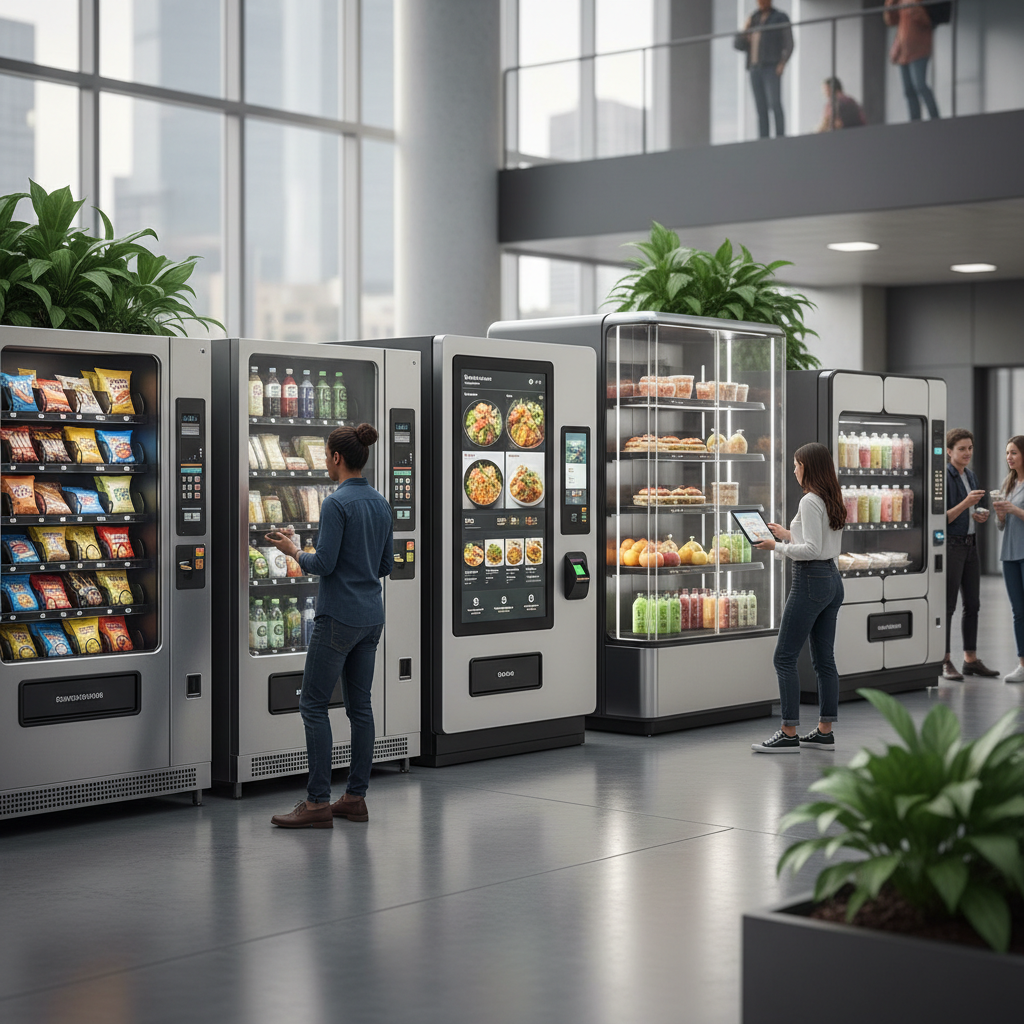
Insights into Food Vending Machines: Features and Industry Growth Projections for 2023

Current Trends in Food Vending Machines: Consumer Preferences and Innovations

What is a Food Vending Machine? Insights and Industry Growth Projections for 2023

Food vending machines have evolved significantly, responding to modern consumer preferences and technological advancements. The global vending machine market is projected to reach a valuation of $7.01 billion by 2024, with further growth anticipated, hitting $8.81 billion by 2032 at a compound annual growth rate (CAGR) of 2.9%. This demonstrates the consistent demand for convenient food options, especially as more consumers seek quick and accessible meal solutions.

Current trends indicate a significant shift toward healthier food choices within vending machines, with granola bars expected to capture a substantial market growth. The global granola bars market is estimated to rise from $1.231 billion in 2025 to $1.738 billion by 2033, growing at a rate of 4.4%. Furthermore, the retail vending machine market alone is valued at $58.5 billion in 2023 and is anticipated to exceed a 10.1% CAGR due to the increasing demand for contactless payment methods. This trend reflects a broader consumer inclination toward convenience and modern shopping experiences in the food vending landscape.

Analyzing Industry Growth: Market Size and Expansion Opportunities for 2023-2025

Lorem ipsum dolor sit amet, consectetur adipiscing elit. Cras vehicula felis nec eros convallis, at mollis nisi fermentum.

Integer sagittis quam at nisi mattis pretium. Sed feugiat, arcu ac congue placerat, lorem justo facilisis nisi, a scelerisque dolor eros quis nisi.

Fusce pretium, tellum non tempor dictum, ut efficitur turpis nibh vitae est. Cras justo velit, feugiat neutra, gravida et libero sed, consectetur vehicula nunc.

Aenean fermentum, risus vitae hendrerit, urna ipsum euismod diam, vel rhoncus purus orci ac urna. Sed vitae lacinia lectus in ex vestibulum consectetur.

Top 10 Food Vending Machine Brands to Watch in 2025

In recent years, food vending machines have evolved dramatically, offering a diverse range of meal options and advanced technology to enhance user experience. The market for food vending machines is projected to grow significantly by 2025, with estimates suggesting a compound annual growth rate (CAGR) of 10.5%. This growth is driven by increasing demand for convenient and healthy food options, especially in urban areas. The top brands to watch in this space include companies like Cantaloupe Systems and Selecta, which are revolutionizing vending by integrating real-time inventory management and cashless payment systems.

As you consider investing in or utilizing food vending machines, here are some tips for maximizing their potential:

1. **Product Variety**: Ensure that the machine stock includes a range of options catering to various dietary preferences—gluten-free, vegan, or protein-rich snacks—to attract a wider audience.

2. **Location Selection**: Choose high-traffic areas such as office complexes, schools, and transportation hubs to increase visibility and sales.

3. **Marketing Strategies**: Leverage social media and local partnerships to promote the vending machine offerings and attract customers. Engaging with the community can foster loyalty and positive word-of-mouth.

With these insights and strategies, businesses can effectively tap into the burgeoning food vending machine market and meet consumer demands in 2025 and beyond.

Challenges Facing the Food Vending Industry: Solutions and Adaptations

The food vending industry is currently navigating a multitude of challenges, particularly in the face of evolving consumer preferences and technological advancements. With consumers increasingly seeking healthier and more sustainable food options, vending machine operators must adapt by integrating locally sourced products and digital technologies. Reports indicate that the global market for food vending machines is expected to witness significant growth, projected to reach $3.8 billion by 2025, driven by a surge in demand for convenient and diverse food offerings. However, the industry faces hurdles such as the rising costs of ingredients and supply chain disruptions exacerbated by recent trade tariffs.


To combat these challenges, industry players are increasingly investing in digital agriculture technologies that enhance the distribution process. The adoption of e-commerce platforms enables small and medium-scale farmers to reach consumers directly, promoting local food accessibility. Moreover, the integration of sustainable practices, such as climate-resilient food cold chains, is not only crucial for reducing waste but also vital for mitigating the impacts of climate change on food supply. By leveraging these digital and sustainable strategies, the food vending industry can thrive amidst adversity and align with the growing demand for premium and ethically sourced food.