What is a Food Vending Machine and How Does It Work?
In recent years, food vending machines have transitioned from being simple snack dispensers to sophisticated systems that offer a wide range of fresh and healthy food options. According to a report by IBISWorld, the food vending machine industry has grown significantly, with revenue expected to reach $5 billion by 2025. This growth can largely be attributed to the increasing demand for convenience and healthy eating options in busy urban environments.
Expert David Green, a leading authority in the vending machine industry, states, "The evolution of food vending machines reflects the changing consumer preferences towards healthier choices, making it essential for operators to adapt their offerings." With innovative technology driving this sector, modern food vending machines are equipped with smart features that allow for real-time inventory management, cashless payment options, and even remote monitoring for efficient maintenance.
As we explore the mechanics and benefits of food vending machines, it is crucial to understand not only how they operate but also their role in promoting healthier lifestyles and providing accessible dining solutions across various settings. Whether in offices, schools, or public spaces, food vending machines are becoming an integral part of the contemporary food landscape.

Definition and Overview of Food Vending Machines
Food vending machines are automated devices that dispense food and beverages to consumers. These machines are commonly found in various public spaces, such as schools, offices, and shopping centers, offering convenience for customers who seek quick and easy access to snacks or meals.
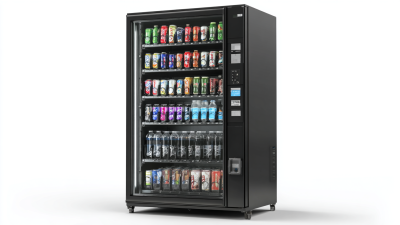
Typically, food vending machines are equipped with an array of selections, ranging from pre-packaged snacks like chips and candy to more substantial items like sandwiches, salads, and beverages. The primary function of these machines is to provide a user-friendly experience, allowing customers to make their selections, insert payment, and receive their products with minimal wait time.
In terms of operation, food vending machines utilize technology to ensure that the process is efficient and reliable. When a customer selects an item, the machine's internal system identifies the chosen product and engages a mechanism that dispenses it. Payment can be made through various methods, including coins, bills, and digital payment options like credit cards or mobile wallets.
Some machines are even equipped with touch screens and interactive interfaces to enhance user experience. Additionally, many modern vending machines have features such as inventory tracking, so operators can monitor product levels and replenish items as needed, ensuring that consumers always have access to their favorite snacks.
History and Evolution of Vending Machine Technology
The history of vending machine technology dates back to ancient times, with the first known device created by Hero of Alexandria in the first century AD. This early machine operated by accepting a coin and dispensing holy water, showcasing the fundamental concept of automated service. Over the centuries, vending machines evolved, particularly during the Industrial Revolution, which introduced mechanisms that enabled more sophisticated operations. By the late 19th century, the first true commercial vending machines emerged, offering items like postcards and candy in busy public spaces, gradually paving the way for the diverse offerings we see today.
The 20th century marked a significant turning point in the vending machine industry with the introduction of electric models that expanded product variety and increased accessibility. The innovation of refrigeration technology allowed machines to dispense perishable items, transforming the landscape of convenience food. Throughout the decades, design improvements and technological advancements, such as cashless payment systems, have further enhanced the consumer experience. Today, vending machines can be found almost everywhere, from office buildings to schools, offering a wide array of products, including healthy snacks and beverages, as they continue to evolve with the changing needs and preferences of society.
How Food Vending Machines Operate Mechanically and Electronically
Food vending machines are innovative devices designed to dispense a variety of food items to consumers automatically. Understanding how these machines operate involves looking at both mechanical and electronic components that work together seamlessly. At the core, food vending machines typically utilize a series of spiral coils or trays to hold items in place. When a selection is made by the user, either through a touchpad or a keypad, a motor mechanism activates, which rotates or slides the coils to release the chosen product. This mechanical action ensures that the item is dispensed efficiently and minimizes the risk of jamming.
On the electronic side, food vending machines are equipped with sophisticated technology that manages transactions and inventory. Users insert cash, coins, or use cashless payment systems, which are processed through an integrated payment processor. The machine's electronic board communicates with various sensors that detect the presence of items and monitor stock levels. Additionally, modern vending machines feature user-friendly interfaces that provide essential information such as product availability and nutritional details. This blend of mechanical precision and electronic intelligence makes food vending machines convenient and reliable for consumers seeking quick meal options.
Food Vending Machine Sales by Year
This bar chart represents the global sales of food vending machines from 2018 to 2022. The data shows a steady increase in sales, reflecting the growing demand for convenient food options.
Types of Food Vending Machines and Their Offerings
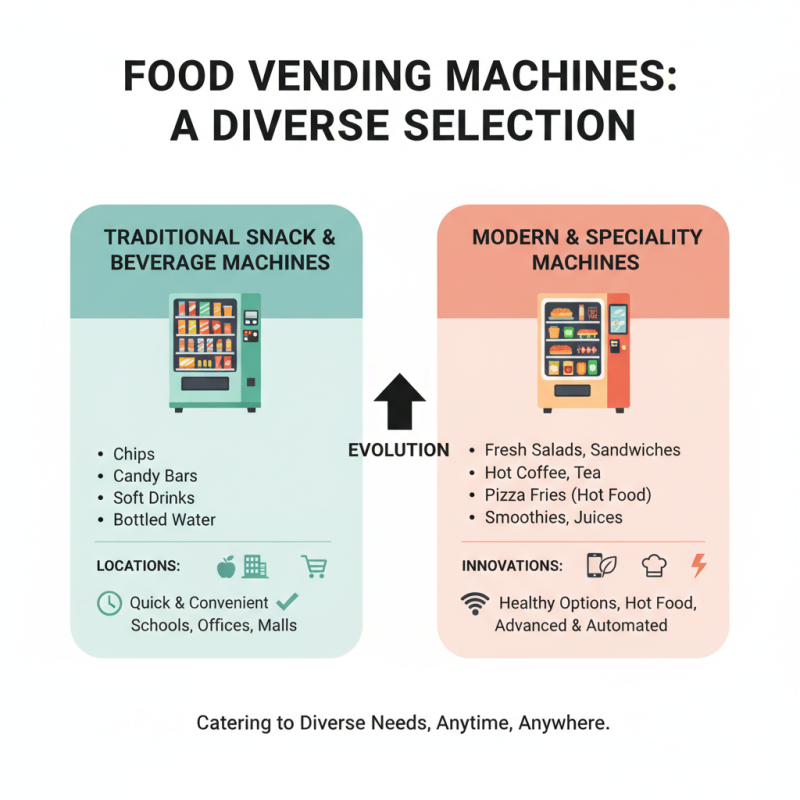
Food vending machines come in various types, each offering a unique selection of products designed to cater to different consumer needs. Traditional vending machines primarily provide snacks and beverages, featuring items like chips, candy bars, soft drinks, and water. These machines are often found in public places such as schools, offices, and shopping malls, providing quick and convenient access to refreshments on-the-go.
In recent years, the emergence of healthier vending machine options has transformed the landscape of food vending. These machines include a range of nutritious offerings, such as fresh fruits, salads, granola bars, and smoothies. Some even provide prepared meals that cater to dietary preferences and restrictions, such as gluten-free or vegetarian options. Additionally, automated vending machines equipped with technology allow for a more interactive experience, offering consumers the ability to customize their orders through touch screens and selecting fresh ingredients as per their liking.
Benefits and Challenges of Using Food Vending Machines
Food vending machines have transformed the way consumers access meals on the go, offering convenience alongside various options for eating. One of the key benefits of these machines is their accessibility. According to industry reports, the global vending machine market is projected to reach $25 billion by 2025, indicating a growing demand for quick and readily available food. These machines operate 24/7, catering to busy lifestyles and effectively servicing locations like schools, hospitals, and corporate offices.
However, there are challenges associated with food vending machines. The need for regular maintenance and restocking poses logistical hurdles, particularly in high-traffic areas. Additionally, concerns around food safety and quality remain paramount. A 2022 survey revealed that 40% of consumers are concerned about the freshness of products in vending machines, underscoring the need for operators to invest in better refrigeration and supply chain practices.
Tips: To ensure a satisfying experience with food vending machines, customers should look for those that provide clear labeling of ingredients and nutritional information. For operators, implementing technology to track inventory in real-time can enhance product freshness and reduce waste. By addressing these challenges and continuously innovating, the vending machine industry can better meet consumer needs while promoting healthier eating habits.