Why Choose Die Punching Machines for Your Manufacturing Needs?
In the competitive world of manufacturing, efficiency is crucial. Companies often seek technologies that enhance production speed and quality. Die Punching Machines stand out as a powerful solution. They offer precision and reliability for cutting various materials. These machines create clean shapes and consistent results, essential for high-quality products.
However, selecting the right equipment is not always straightforward. Manufacturers must consider their specific needs, material types, and production volumes. It's vital to evaluate different models and manufacturers. Die Punching Machines may differ in capabilities, posing a challenge for buyers. Understanding these differences can foster informed decisions.
Investing in Die Punching Machines can streamline operations and reduce waste. Companies can achieve quicker turnaround times and better material management. Yet, it’s essential to remember that no machine is flawless. Regular maintenance and training are necessary to maximize their benefits. Thus, thorough research and planning are key to leveraging the advantages of Die Punching Machines effectively.
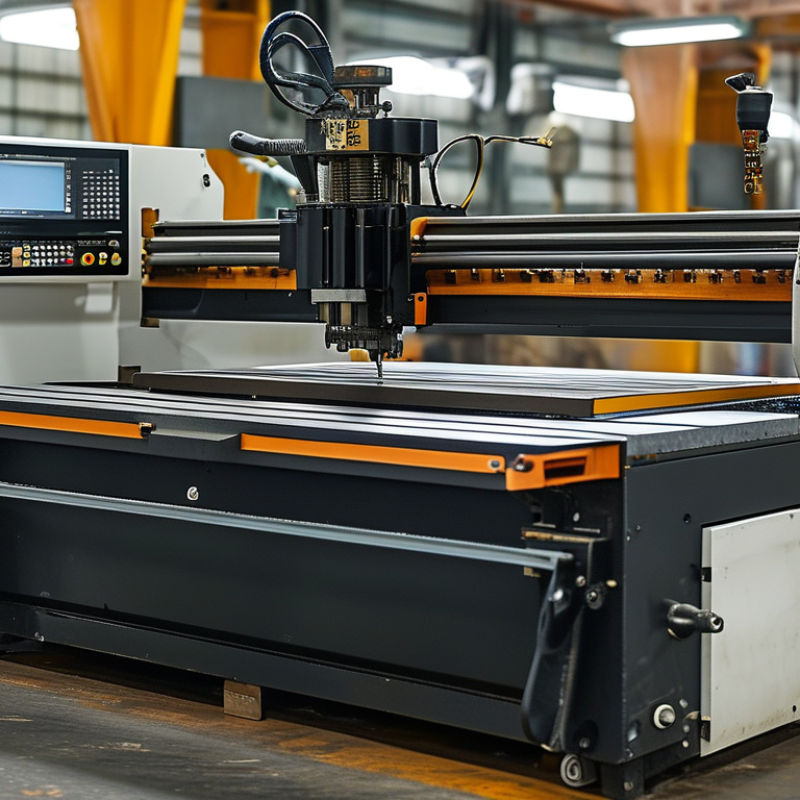
Understanding Die Punching Machines: An Overview
Die punching machines play a vital role in modern manufacturing. These machines use specialized dies to cut or shape materials with precision. They enhance production efficiency, especially in industries like automotive and aerospace. According to a report by MarketsandMarkets, the global die-cutting machine market is projected to reach USD 3.4 billion by 2026, growing at a CAGR of 4.7%. This growth reflects the increasing demand for automation.
Understanding the types of die punching machines is important for manufacturers. They can choose from mechanical or hydraulic models. Mechanical machines offer speed and efficiency for high-volume production. Hydraulic machines, on the other hand, provide greater force, ideal for thicker materials. However, investment costs can be significant, and not all businesses are equipped for such expenditures. Evaluating operational needs and material types is essential before making a decision.
While die punching machines enhance productivity, challenges exist. Maintenance and operator training require commitment. A poorly maintained machine can lead to downtime, impacting output. Industry data shows that unplanned downtime can cost manufacturers up to 20% in lost revenue. Therefore, the decision to invest should involve a reflective assessment of the operational framework and potential return on investment.
Why Choose Die Punching Machines for Your Manufacturing Needs?
| Feature | Description | Benefits |
| Precision | Die punching machines provide high accuracy in cutting and shaping materials. | Ensures consistent quality in manufacturing, reducing waste and rework. |
| Speed | These machines can operate at high speeds, allowing for rapid production cycles. | Increases overall productivity and reduces lead time. |
| Versatility | Can be used for various materials including metal, plastic, and textiles. | Supports diverse manufacturing applications and customization needs. |
| Ease of Use | Modern die punching machines are equipped with user-friendly interfaces. | Lowers the learning curve for operators and minimizes training time. |
| Durability | Constructed with robust materials to withstand heavy use. | Ensures long-term operation and reduces maintenance costs. |
Key Advantages of Using Die Punching Machines in Manufacturing
Die punching machines have gained traction in the manufacturing sector due to their efficiency and versatility. These machines enable manufacturers to produce precise shapes and components with minimal waste. A recent report from the International Manufacturing Association highlights that adopting die punching technology can lead to a 30% reduction in material waste. This is significant for companies aiming to enhance sustainability and reduce costs.
Moreover, die punching machines can operate at high speeds. Industry analyses indicate that these machines can achieve production rates that are 50% faster than traditional methods. This speed not only boosts productivity but also allows manufacturers to meet tight deadlines. However, it's crucial to consider that the initial investment for die punching systems can be substantial, which may deter smaller manufacturers.
Another critical aspect is maintenance. While die punching machines are robust, they require regular upkeep to ensure optimal performance. Neglecting maintenance can lead to significant downtime. Balancing the efficiency gains with potential maintenance challenges can be tricky. Manufacturers need to weigh these factors against their production goals. Making informed choices can enhance operational success while managing costs effectively.
Applications and Industries Benefiting from Die Punching Technology
Die punching machines play a crucial role across various industries. They are widely used in automotive manufacturing, where precision and speed are vital. These machines allow for the fast production of metal parts, providing consistent quality. In the packaging sector, die punching is essential for creating custom shapes and sizes of packaging materials. This enhances product presentation while optimizing resource use.
Moreover, die punching technology finds significant applications in the electronics industry. It is utilized to craft intricate components with tight tolerances. This is critical for devices that require reliability. The textile industry also benefits from die punching. It enables the efficient cutting of fabrics into specific patterns, saving time and reducing waste.
Despite their advantages, companies must carefully evaluate their die punching needs. Choosing the wrong machine could lead to production delays and increased costs. Regular maintenance and skilled operators are necessary to ensure optimal performance. Businesses should remain aware of these factors to maximize the benefits of die punching technology.
Applications and Industries Benefiting from Die Punching Technology
This chart illustrates the various industries that are significantly benefiting from die punching technology.
Factors to Consider When Choosing a Die Punching Machine
When selecting a die punching machine, several factors should be considered to ensure optimal performance. Productivity rates are crucial. Industry reports indicate that modern die punching machines can boost output by 30% compared to older models. This increase can significantly affect manufacturing timelines and costs. Additionally, look at the machine's capacity. A machine that handles multiple sizes or types of materials can save operational costs and reduce downtime.
Another key factor is precision. A precise die punching machine can enhance product quality. According to the Manufacturing Institute, machines with advanced technology can reduce material waste by up to 15%. This not only minimizes costs but also supports sustainable manufacturing practices. User experience is essential. Operators must feel comfortable using the machine, as prolonged training can delay production.
Lastly, consider maintenance and support. Machines requiring frequent repairs can disrupt workflow. It's vital to assess the reliability of the machine and the availability of technical support. Some manufacturers offer comprehensive service plans, which can provide peace of mind. Balancing these factors leads to a more informed decision and a machine that meets long-term manufacturing goals.
Maintenance and Optimization for Die Punching Machines
Maintaining die punching machines is crucial for optimal performance. Proper maintenance can prevent unexpected breakdowns. Regular inspection of components ensures they work effectively. A routine check on hydraulic systems helps avoid pressure drops. Keeping lubrication levels adequate reduces friction and wear. Small issues must be addressed promptly. Delaying repairs can lead to larger problems.
Optimization is also vital for efficiency. Adjusting settings according to the material type improves cutting precision. Operators should be trained to adapt processes. Overlooking this can result in waste and inefficiencies. Monitoring production metrics can reveal valuable insights. Recognizing patterns in machine performance often leads to better decision-making. However, not all changes yield immediate benefits. Some might require a trial-and-error approach.
Balancing maintenance and optimization is challenging. Finding the right schedule for checks is important. Yet, it often conflicts with production demands. Many manufacturers struggle with prioritizing these needs. Continuous reflection on maintenance routines can enhance reliability. It's essential to be aware of areas needing improvement. Emphasizing proactive measures can significantly extend machine lifespan.
