10 Best Drink Vending Machines for Businesses in 2026?

A drink vending machine can do more than sell cold beverages. It can make a break room, lobby, or factory floor more convenient. The right model depends on where it will sit, who will use it, and what they want to buy. A busy warehouse may need a large capacity and reliable cooling. A compact office may need a smaller footprint and quiet operation. These details matter. So does restocking. A machine that looks impressive in a product photo may be awkward beside a narrow hallway or difficult to service. Not every model fits.

This guide to the 10 best drink vending machines for businesses in 2026 compares practical features, including beverage capacity, temperature control, payment options, energy use, and remote inventory tools. It also considers maintenance access and the kinds of drinks each machine can handle. A low purchase price may not mean lower costs over time. Service availability, replacement parts, and delivery fees deserve a closer look. Real use differs. Specifications and prices can change, so verify current details with the manufacturer or distributor before making a decision. Still, no checklist can predict every jammed coil or unexpectedly busy shift. Use these comparisons as a starting point, then match the machine to your space, budget, and daily routine.
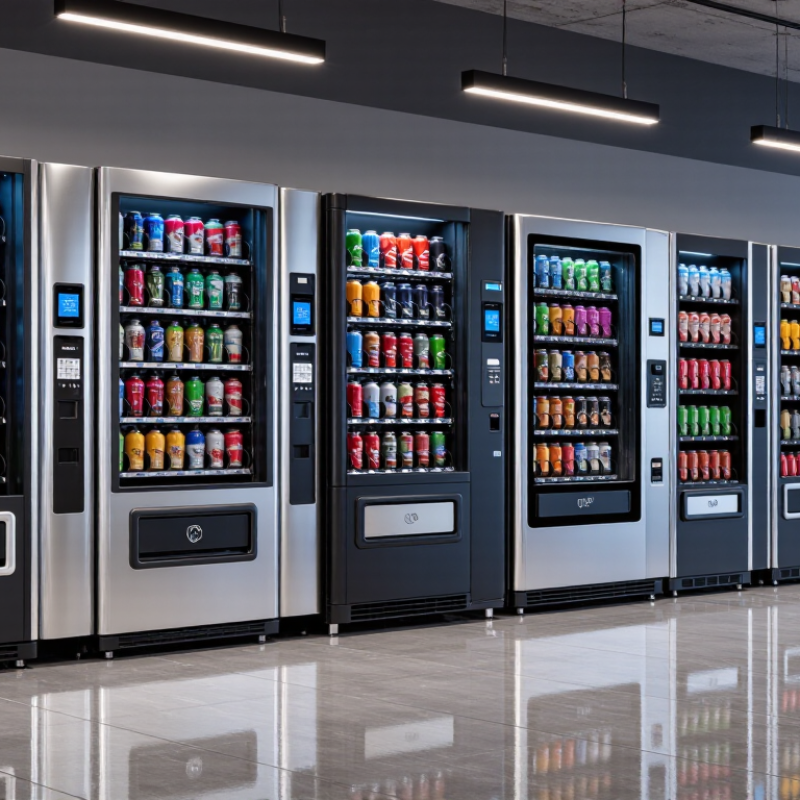
10 Best Drink Vending Machines for Businesses in 2026?

How Drink Vending Machines Work in Business Settings

In an office, factory, or hotel, a drink vending machine is a small retail point with a clear operating loop. Staff or service operators load chilled cans and bottles, set prices, and assign products to selection buttons. A customer makes a choice; the controller verifies payment and activates a coil or elevator to deliver the drink. Some machines detect failed vends and support refunds. That matters.

Placement shapes performance. Put the machine near break rooms or shift entrances, with clear access and a suitable power supply. Keep a refill log, rotate stock by date, and check cooling temperatures during service visits. Networked machines can report sales, low-stock slots, and faults, helping operators plan service routes. Still, data can lag, and sensors may miss a dented bottle. Not always.

NAMA’s 2023 Convenience Services Industry Census estimated U.S. convenience-services sales at about $26.6 billion for 2023. This figure covers a broad sector, including vending and micro markets, not drink machines alone. It reflects the scale of managed on-site service, while local sales depend on traffic, shifts, pricing, and product fit. Compare weekly sales with refill labor and spoilage. A slow-selling cold drink still takes up space and uses energy.

Key Features to Consider When Choosing a Machine

Match the machine’s capacity to actual demand, not the busiest day you can imagine. A small office may need only a few dozen cans, while a gym or hotel lobby can empty a cooler quickly. Track sales and peak traffic for several weeks before choosing. Small details matter. Check that shelves fit the bottle and can sizes you plan to sell, including taller containers.

Consistent cooling is essential. Ask how the machine performs in a warm hallway, and check whether temperature settings can be adjusted. Review payment options, including contactless payments, and confirm that the interface is easy to use. Remote stock alerts can help staff restock before popular drinks disappear, but alerts are only useful when someone responds.

Make sure service panels are accessible and routine cleaning does not require special tools. Energy use matters too; compare stated consumption and ask how it was measured. A polished feature list can be persuasive, but it may not reflect daily upkeep. Consider a trial period if available, and note which details remain uncertain.

Ten Top Drink Vending Machines for Businesses in 2026

For Ten Top Drink Vending Machines for Businesses in 2026, compare operating needs, not flashy screens. NAMA’s 2023 industry census estimated U.S. convenience-services revenue at $26.6 billion in 2022. That figure covers more than drink machines, so it is useful market context, not a drink-vending sales estimate. A practical shortlist includes refrigerated can machines, bottle machines, glass-front coolers, combination snack-and-drink units, cashless models, touchless models, telemetry-enabled machines, fresh-drink dispensers, hot-beverage machines, and high-capacity units. Each serves a different space and service pattern.

In a small office, a compact can machine may fit beside the break-room counter. A glass-front model helps employees spot cold water quickly, while a high-capacity unit suits a busy warehouse entrance. Cashless payment and remote stock monitoring can reduce missed sales and unnecessary restocking trips. Still, added technology is not automatically better. Poor connectivity can make a “smart” machine a nuisance. Check temperature consistency, refill access, payment options, cleaning requirements, and the supplier’s service response before comparing prices.

The right choice depends on who uses it and when. Track demand by drink type and time of day for several weeks; an afternoon rush may favor chilled bottles, while a small overnight crew may need fewer selections. This is imperfect evidence. Staff surveys can miss what people actually buy, and seasonal demand can distort a short trial. Record empty-slot frequency, spoilage, and service calls alongside sales. Those details make comparisons among the ten machine types more useful than appearance alone.

10 Drink Vending Machine Types for Businesses in 2026

Typical estimated beverage capacity by machine format. These are indicative planning ranges, not product rankings; capacity varies by model, package size, and configuration.

Bars show the midpoint of each format’s approximate capacity range, measured in drinks stocked. Compare actual specifications and site requirements before purchasing.

Comparing Capacity, Costs, and Payment Options

Choosing from the 10 best drink vending machines for businesses in 2026 starts with matching capacity to daily demand. A compact office may need space for 80 cans, while a busy warehouse could require several hundred drinks and more frequent restocking. Check shelf layouts, bottle clearance, and cooling performance before comparing prices. A machine’s advertised capacity may not reflect the mix of bottle and can sizes you actually sell.

Costs extend beyond the purchase price. Include delivery, installation, refrigeration, maintenance, and payment processing fees in your estimate. Card and contactless payments can make purchases quicker, but transaction charges vary. Cash support may still matter in locations where staff prefer it. Ask vendors for written service terms and realistic energy-use figures; estimates can differ with room temperature and usage.

Tips: Track sales for two weeks before choosing capacity. Small details count. Note which drinks sell out first and when. Test payment options on-site, since a weak signal can interrupt transactions. Leave room for restocking access, too. It is easy to overlook, and awkward placement can slow routine service.

10 Best Drink Vending Machine Types for Businesses in 2026: Comparing Capacity, Costs, and Payment Options
Machine Type Best Fit Typical Drink Capacity Indicative New Equipment Cost (USD) Common Payment Options Key Consideration
Compact Can Vending Machine Small offices, clinics, and break rooms Approximately 150–300 cans $2,500–$5,000 Cash; card or contactless payment when fitted with a reader Small footprint; usually best for a limited selection of standard-size cans.
Standard Can and Bottle Machine Medium-sized workplaces and customer waiting areas Approximately 300–600 cans, or fewer larger bottles $3,500–$7,500 Cash; chip card; contactless card; mobile wallet, depending on the payment terminal A versatile choice, but bottle size and shelf configuration affect capacity.
Glass-Front Refrigerated Drink Machine Locations where product visibility may encourage purchases Approximately 250–600 cans and bottles $4,000–$9,000 Cash; card; contactless payment; mobile wallet when supported Offers a visible product display; check refrigeration needs and energy use.
High-Capacity Bottle Machine Factories, campuses, and busy transport or recreation sites Approximately 400–800 smaller bottles; fewer large bottles $5,000–$10,000 Cash; chip card; contactless card; mobile wallet, depending on installed hardware Designed for greater throughput; requires suitable floor space and restocking access.
Combination Snack and Drink Machine Small sites that need snacks and beverages from one unit Approximately 100–300 drinks, plus snack selections $4,000–$9,000 Cash; card; contactless payment; mobile wallet when supported Combines categories in one footprint, so drink capacity is lower than in a dedicated unit.
Fresh Food and Beverage Combo Machine Offices and facilities offering chilled drinks alongside fresh food Approximately 100–300 drinks, depending on the food layout $6,000–$12,000 Card; contactless card; mobile wallet; cash on some configurations Fresh-food capability may require more frequent inventory checks and temperature monitoring.
Smart Vending Machine with Remote Monitoring Multi-site operators and businesses tracking sales or stock levels Approximately 250–600 drinks, depending on cabinet size $6,000–$14,000 Cash; chip card; contactless card; mobile wallet, subject to terminal configuration Remote reporting may help plan restocking; confirm any connectivity or software fees.
Outdoor-Rated Beverage Vending Machine Covered outdoor areas and facilities with limited indoor access Approximately 250–600 drinks, depending on product mix $6,000–$13,000 Cash; weather-rated card and contactless reader when available Confirm the unit is suitable for the location’s weather, security, and power conditions.
High-Security Vending Machine Public-facing areas where extra cabinet or access protection is needed Approximately 200–500 drinks $5,000–$11,000 Cash; chip card; contactless card; mobile wallet, depending on the installed reader Security features and installation requirements vary; assess the site before purchase.
Refurbished Standard Beverage Machine Budget-conscious businesses and lower-volume locations Approximately 200–600 drinks, depending on model and condition $1,500–$4,500 Cash; card or contactless payment if compatible hardware is installed Inspect refrigeration, parts availability, warranty, and payment-reader compatibility.

Pricing and capacity note: Figures are broad planning estimates in USD for equipment only, not supplier quotes. Actual prices and capacity vary by cabinet size, condition, configuration, shipping, installation, taxes, and payment hardware. Confirm specifications and operating costs with the seller before purchasing.

Choosing the Right Machine for Your Business Needs

Choosing a drink vending machine starts with the people who will use it. A small office may need a compact unit with water, cans, and a few popular bottles. A busy warehouse may need greater capacity and faster restocking access. Check the footprint. Measure doorways, ceiling clearance, and space for the service panel before ordering. A machine that barely fits can make repairs frustrating. Cold drinks also need reliable temperature control, especially in warm break rooms. Ask how the unit handles temperature alerts and what routine cleaning requires.

Payment options should match how employees and visitors actually pay. Card and contactless access can reduce friction, while clear price displays prevent surprises. Look for accessible controls and shelves that accommodate different bottle sizes. Then compare energy use, warranty coverage, parts availability, and service response times. These details matter more than a long feature list.

Keep it simple.

Sales reports can help refine the drink selection, but early data may be misleading when shifts or seasons change. A machine with adjustable shelves and straightforward restocking may suit a growing business better than a larger, complicated model. I would still leave room for error: the most popular drink on paper may sit untouched beside the coffee station.